Fibermaxxing: What the Evidence Says About 2026's Biggest Nutrition Trend
Search interest is up 115 per cent. Unusually for a viral eating trend, the underlying science is solid — but the way people are attempting it is not.
 Dr. Amina Yusuf 8 min read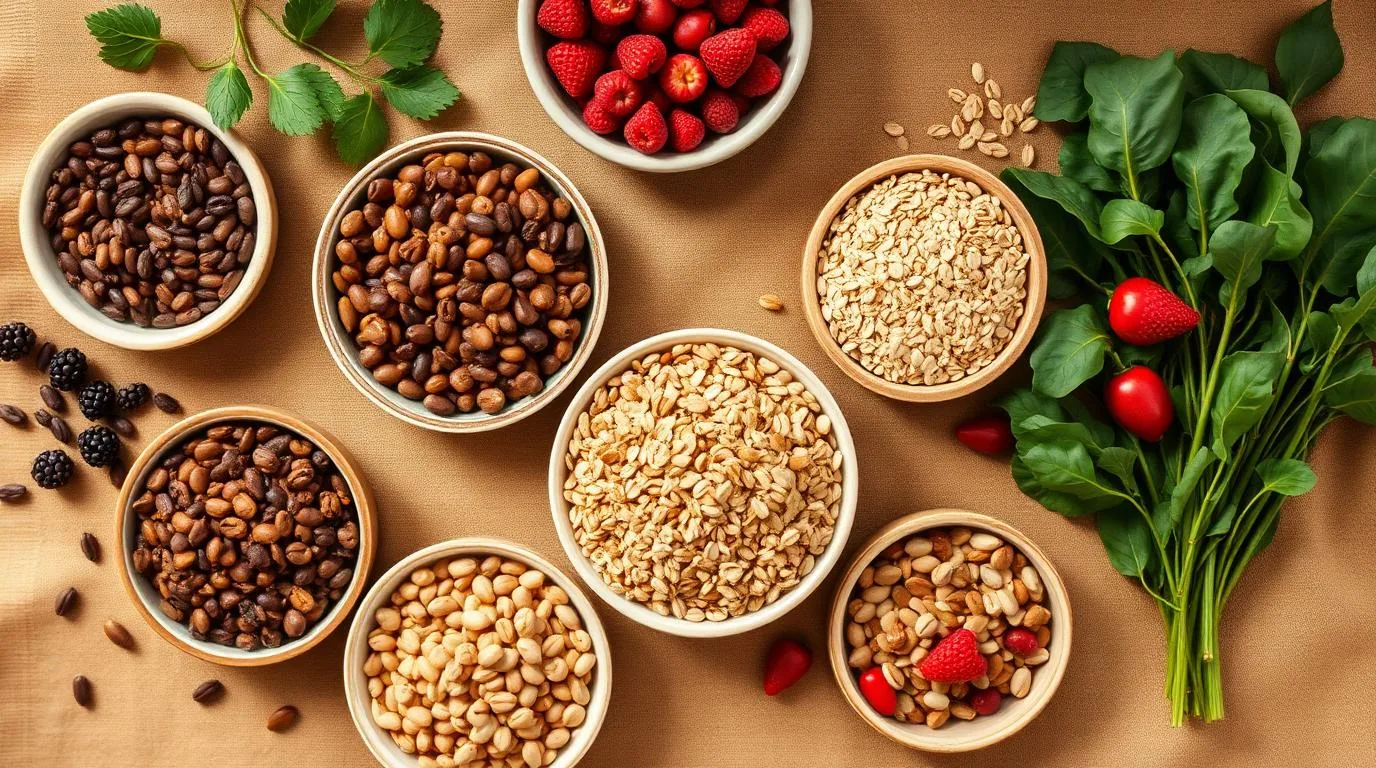
Fibermaxxing — deliberately pushing daily dietary fibre well above conventional recommendations — has seen search interest rise roughly 115 per cent this year. Most viral nutrition trends deserve scepticism. This one is unusual, because the direction it points in is well supported: most people in high-income countries eat far less fibre than any credible guideline suggests, and the health consequences of that gap are large and well documented.
What the research supports
Large prospective cohort studies and pooled analyses consistently associate higher fibre intake with lower all-cause mortality, lower incidence of cardiovascular disease, lower colorectal cancer risk and better glycaemic control. The dose-response relationship is unusually clean for nutrition research, with benefits continuing to accrue up to around 25 to 30 grams a day. Average intake in the UK, US and much of Europe sits closer to 15 grams.
- Soluble fibre — oats, legumes, apples, psyllium — forms a gel that slows glucose absorption and binds bile acids, lowering LDL cholesterol.
- Insoluble fibre — wheat bran, vegetable skins, nuts — adds stool bulk and reduces transit time.
- Fermentable fibre feeds gut bacteria that produce short-chain fatty acids, notably butyrate, which is the primary fuel source for colon lining cells.
- Resistant starch, found in cooled cooked potatoes, rice and legumes, behaves like fermentable fibre and is the most commonly overlooked category.
Where the trend goes wrong
The failure mode is almost always the same: someone goes from 12 grams to 45 grams in two days, largely via a supplement, and experiences severe bloating, cramping and gas. The gut microbiome adapts to fibre load over weeks, not hours. Adding roughly five grams per week, with adequate fluid, avoids almost all of it. Fibre without water is counterproductive — it can worsen constipation rather than relieve it.
The population problem is not that people eat too little fibre powder. It is that they eat too few plants.
Diversity beats quantity
Microbiome research consistently finds that the number of distinct plant species eaten per week predicts gut bacterial diversity better than total fibre grams. Different bacterial populations metabolise different fibre structures; a diet delivering 40 grams from a single supplement feeds a narrow subset. Thirty different plants a week — counting herbs, spices, nuts, seeds and whole grains, not just vegetables — is a more useful target than a gram count.
Who should be cautious
- People with inflammatory bowel disease during an active flare, where high insoluble fibre can worsen symptoms.
- Anyone with a history of bowel obstruction or significant strictures.
- People with IBS, for whom certain fermentable fibres reliably trigger symptoms and require a structured elimination approach.
- Anyone on medication with narrow absorption windows — fibre can alter uptake timing, so spacing matters.
The sensible version of fibermaxxing is unglamorous: increase gradually, prioritise whole foods over powders, chase variety rather than a number, and drink more water. It is the rare internet health trend whose main flaw is impatience rather than pseudoscience.
Was this helpful?
Dr. Amina Yusuf
Health Editor, Lonic
Amina is a practising physician who reads clinical trial data for a living and writes about metabolic health, ageing and evidence quality.
- Clinical evidence
- Metabolic health
- Longevity research
Read our editorial standards or send a correction.
Related articles
Ultra-Processed Food: What's Actually Established, and What's Still Contested
The evidence linking ultra-processed food to poor health outcomes has grown substantially. But the category itself is broad enough that some of the strongest public claims outrun what the research supports.

Mouth Taping for Sleep: The Evidence, the Risks and Who Should Not Try It
It is cheap, it is everywhere, and the clinical evidence is far thinner than the confidence with which it is recommended. For one group of people it is actively dangerous.

Oral GLP-1 Drugs Are Coming. Will They Actually Widen Access?
Pill versions of the weight-loss and diabetes drugs that have dominated health headlines are moving through late-stage trials and early approvals. The manufacturing story matters more than the marketing.

The Antibiotic Pipeline Is Thin, and the Bacteria Are Not Waiting
Antimicrobial resistance is rising faster than the industry is producing new drugs to treat it. The economics, not the science, are the main obstacle.