Gold Price Forecast 2026: What Is Actually Driving the Rally
Central bank buying and real-rate expectations have done more to move bullion than retail sentiment. The forecast for the rest of 2026 depends on which of those forces holds.
Where capital, productivity and the generative AI buildout are actually landing on the balance sheet.
21 articles published

Central bank buying and real-rate expectations have done more to move bullion than retail sentiment. The forecast for the rest of 2026 depends on which of those forces holds.

The company's valuation now rests less on chip scarcity than on whether its customers' capital spending on AI infrastructure keeps pace with the revenue they can show for it. That is a harder question than a simple supply story.

The annual cost-of-living adjustment is set by a specific inflation measure tracked over a defined window, not by a political decision. Understanding the formula explains why early estimates for 2027 keep shifting.

Public listing speculation has intensified as the company's capital needs grow, but converting from its current structure into a conventional public company would raise governance questions that go well beyond a standard listing process.

Pure-play quantum shares have moved violently on announcements that contain little commercial substance. Here is the framework for telling a business apart from a press release.

Forecasts range from a crash to a boom. The underlying numbers — inventory, mortgage rates, household formation and construction costs — point somewhere far duller and more useful.

Forecast targets for bitcoin cluster around round numbers and publication incentives rather than models. What actually moves the price is narrower and more boring than the predictions suggest.

Crude has traded in a wide band all year, pulled between production restraint, geopolitical risk premiums and a demand picture that refuses to follow the historical script.

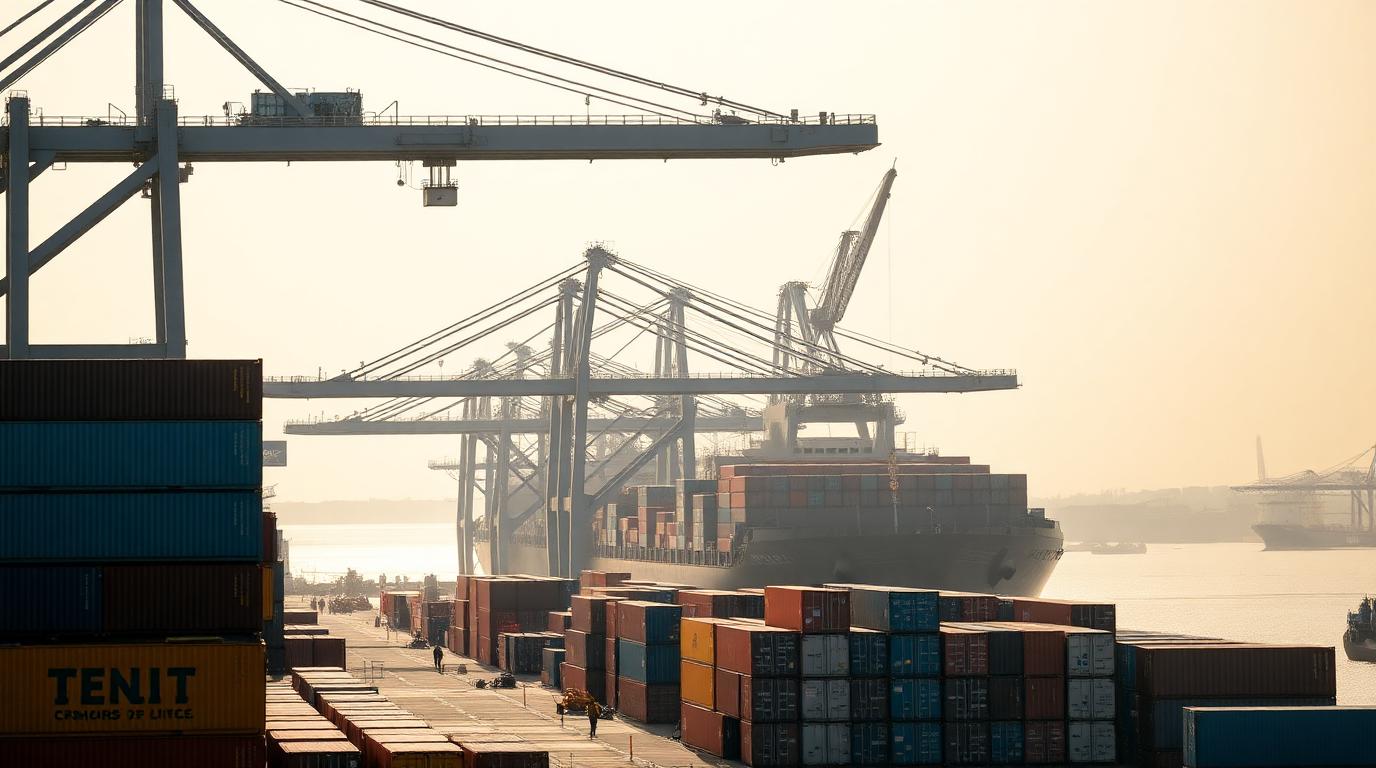
A partial agreement has eased some tariff lines while leaving the strategic restrictions untouched. The effects show up first in freight bookings, not in retail prices.

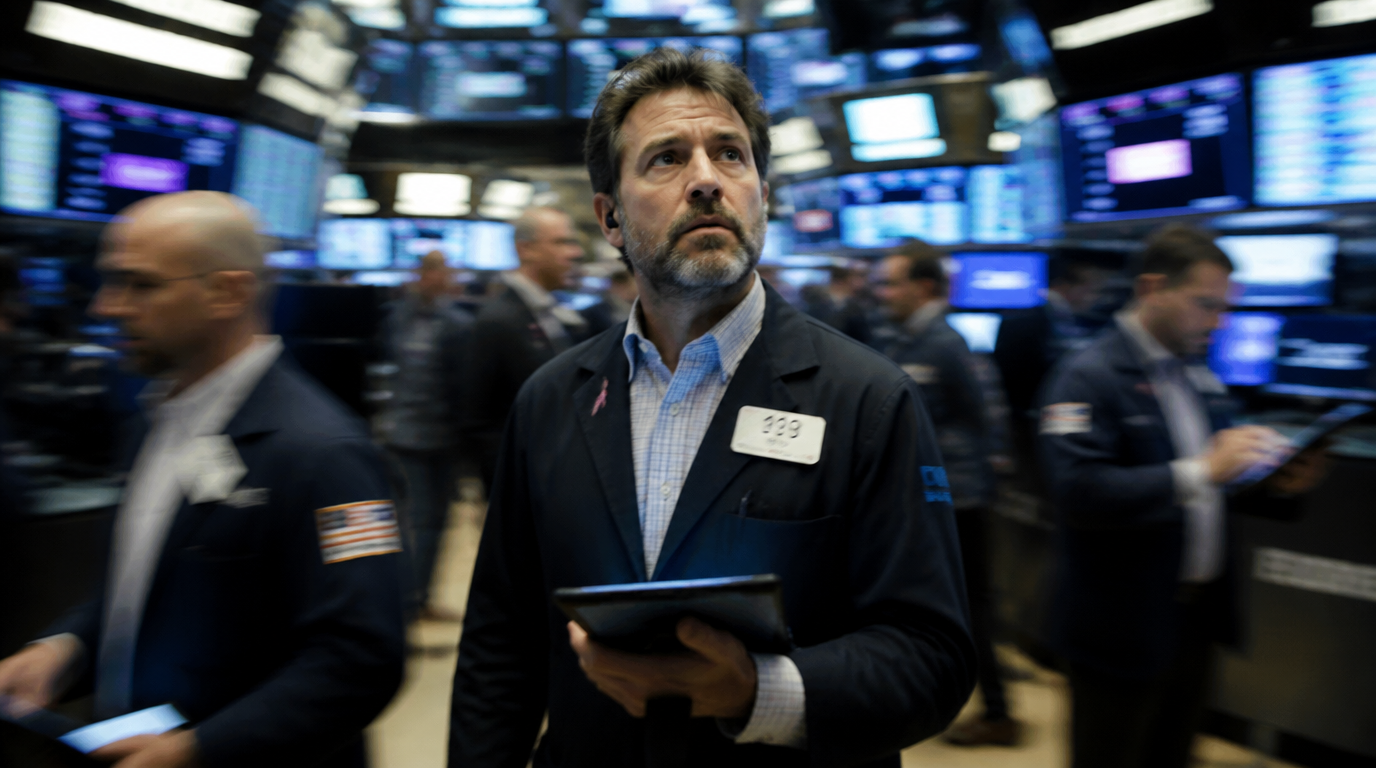
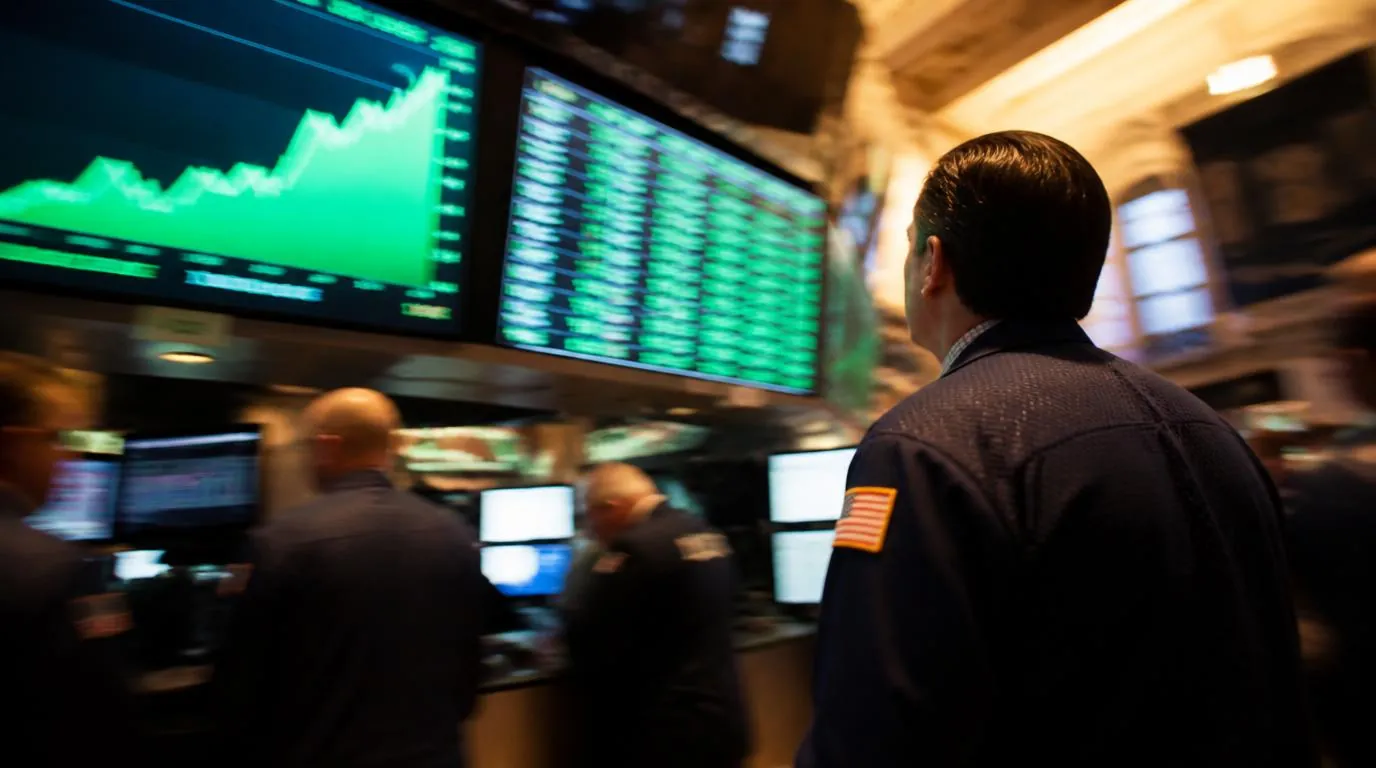
US equities are pushing toward record territory as crude oil falls on hopes that shipping through the Strait of Hormuz will normalise. The rally traces a familiar chain: lower oil, softer inflation expectations, and room for interest-rate relief.

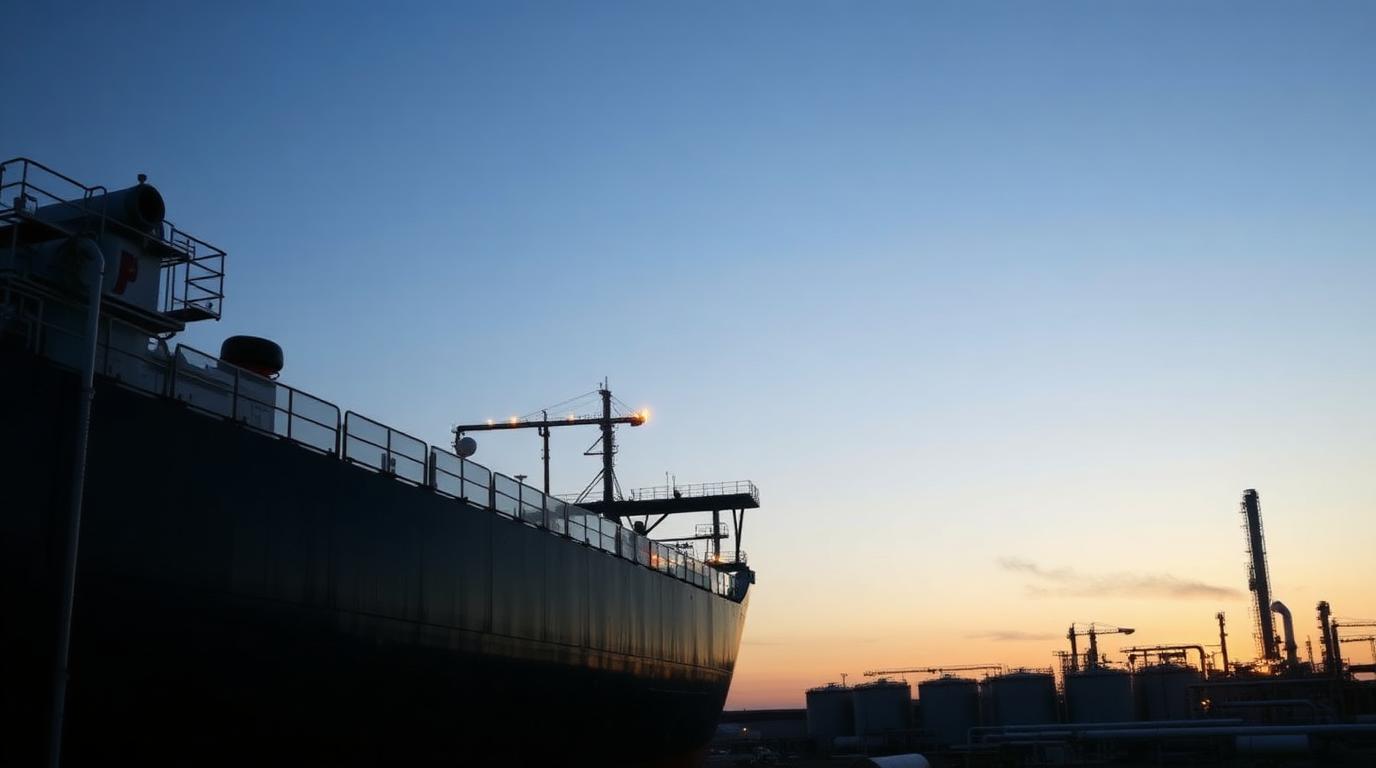
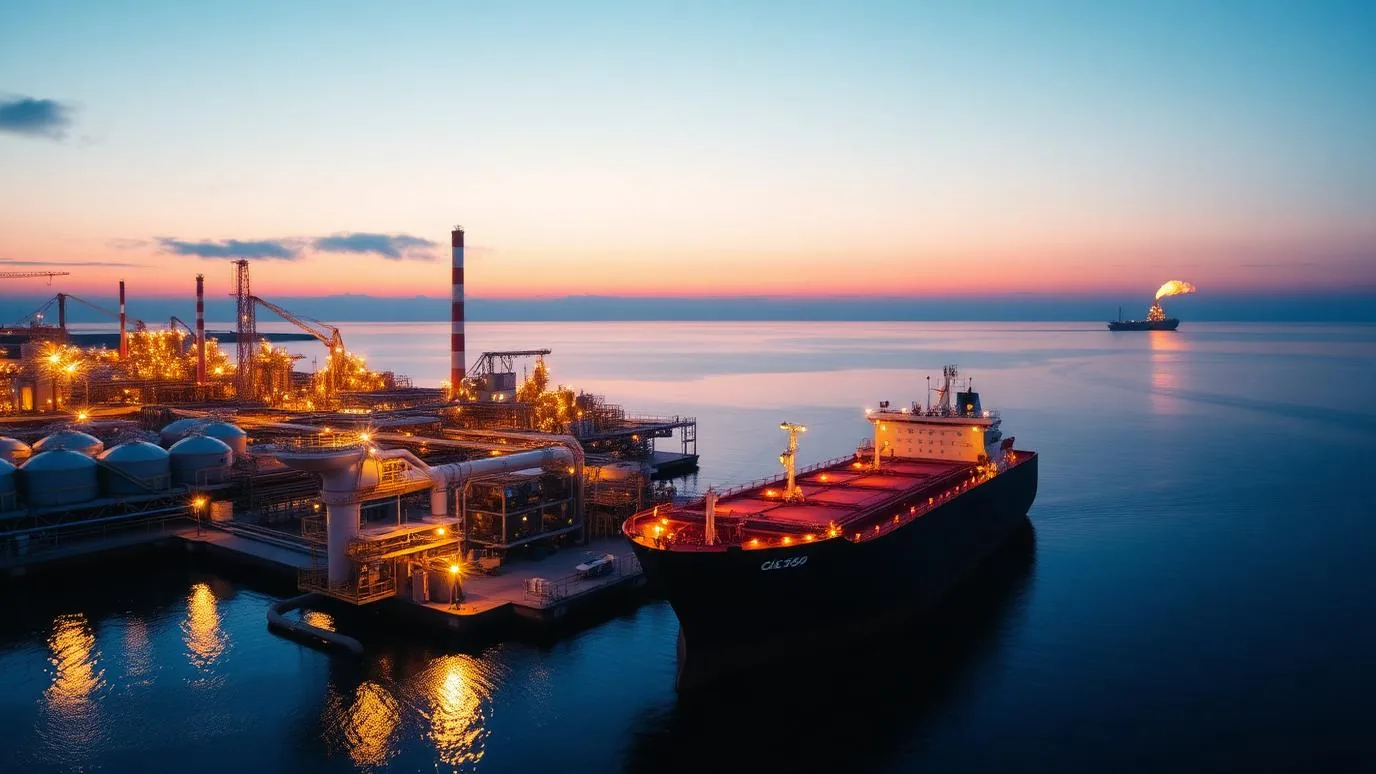
A cargo vessel was struck by an unidentified projectile transiting the Strait of Hormuz, hardening fears that the US-Iran conflict could disrupt the world's single most important oil and gas chokepoint. Trump says reopening could come 'literally by tomorrow'.

The transmission from a Strait of Hormuz disruption to oil and gas prices, inflation expectations and central bank policy is neither instant nor uniform. Here is how the mechanics actually work, and why Asian economies are the most exposed.

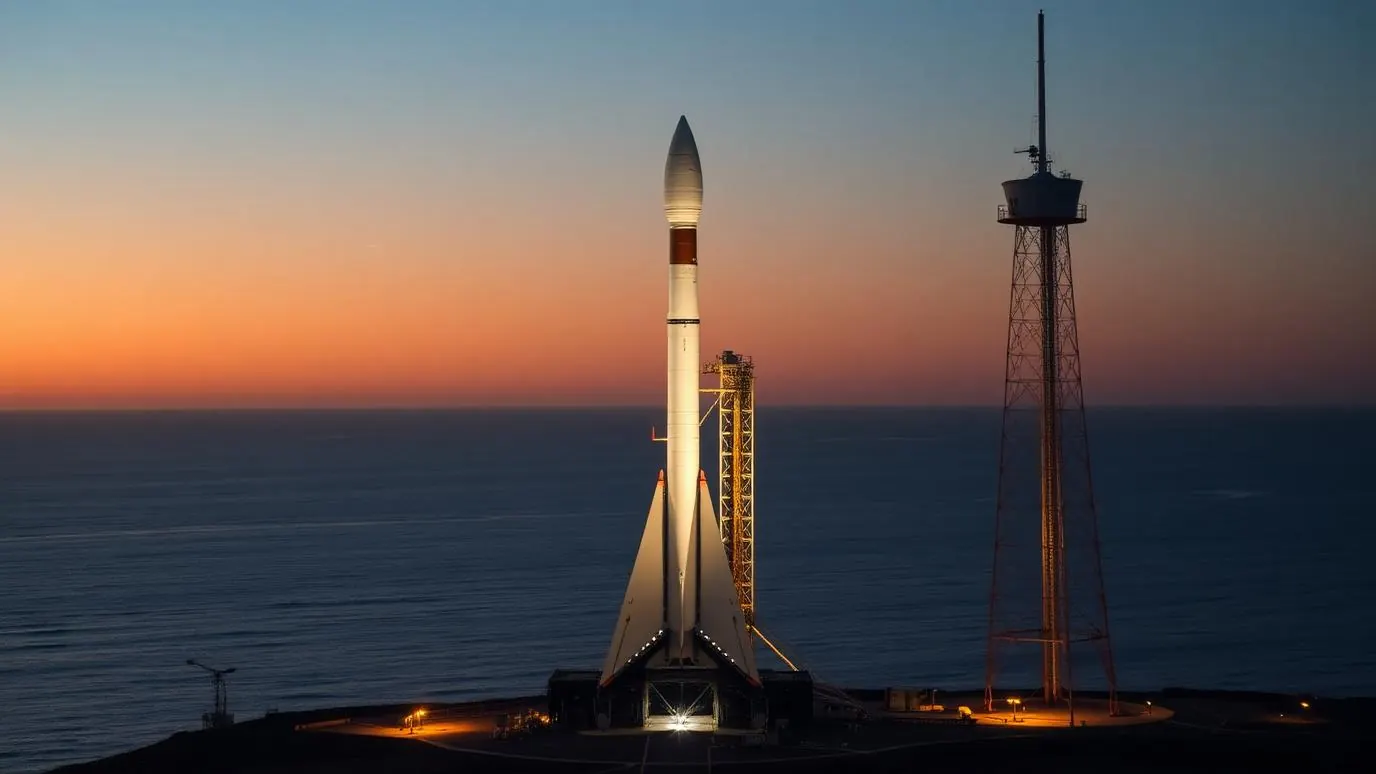
Reuters reports SpaceX will post its first results since a record IPO on 3 August 2026, with investors probing whether Starlink profits can fund its AI ambitions.

Citadel's Ken Griffin structured a rescue deal for the AI company Situational Awareness, Reuters reports, a sign that parts of the AI boom are already distressed assets.

A second tanker incident near the Strait of Hormuz has widened force majeure declarations across shipping, pushing insurers to reprice risk on a route carrying a fifth of world oil consumption.

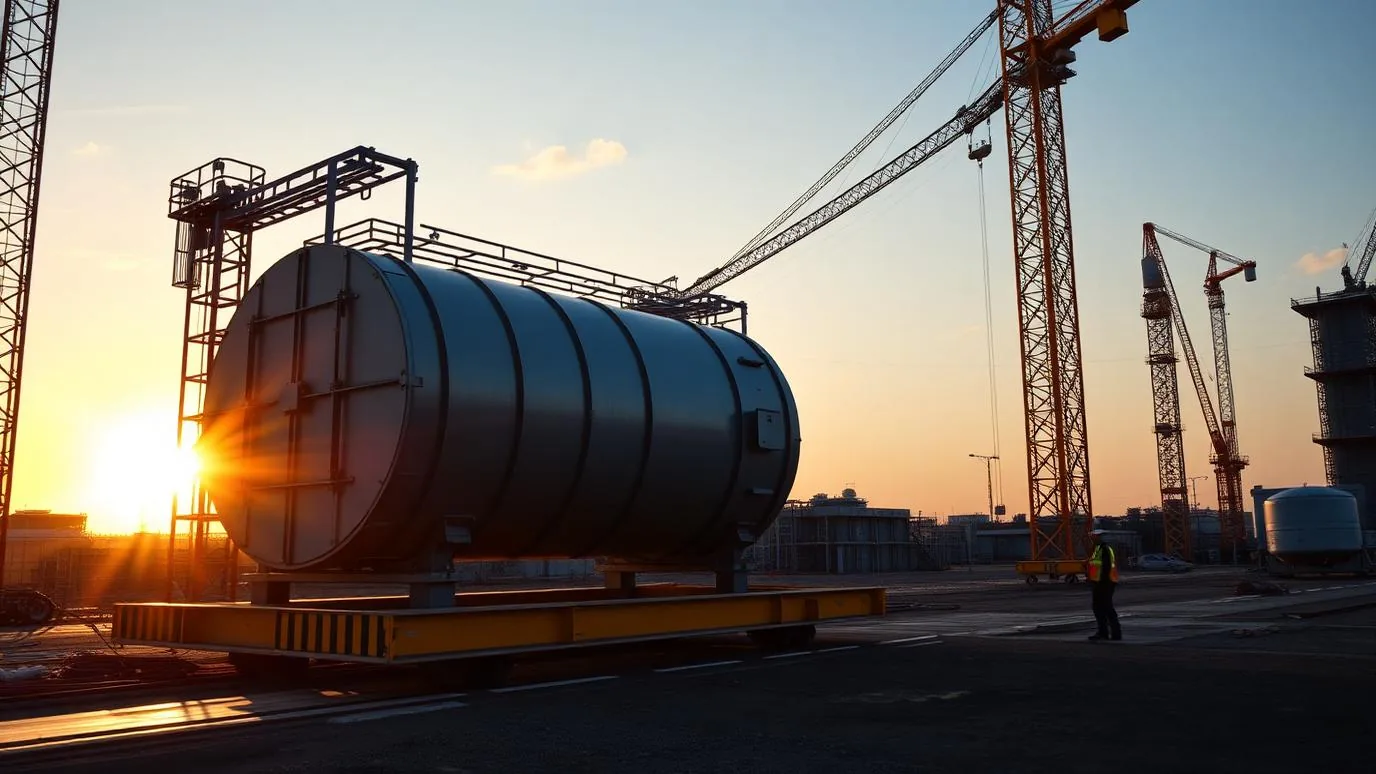
A blockbuster round for the nuclear startup is part of a wider surge in advanced-reactor investment driven by AI datacentre power demand, but licensing timelines and supply chains have not moved nearly as fast as the funding.

Reddit shares fell after its chief executive publicly doubted the value of licensing content to Google's AI Overviews, reopening the standoff between AI search and publishers.

Search demand for fractional operating executives has climbed sharply. The model solves a real problem for companies between 20 and 200 people — when it is scoped correctly.

Two unrelated products are climbing search charts for the same underlying reason. A look at what the sustainable consumer goods boom is actually rewarding.

Executive commitment is up, realised value is uneven. The gap has a pattern — and it is mostly about workflow, not models.

Ad revenue plateaued and creators responded like operators — subscriptions, products, licensing and smaller, more loyal audiences.