Oral GLP-1 Drugs Are Coming. Will They Actually Widen Access?
Pill versions of the weight-loss and diabetes drugs that have dominated health headlines are moving through late-stage trials and early approvals. The manufacturing story matters more than the marketing.
 Dr. Amina Yusuf 8 min read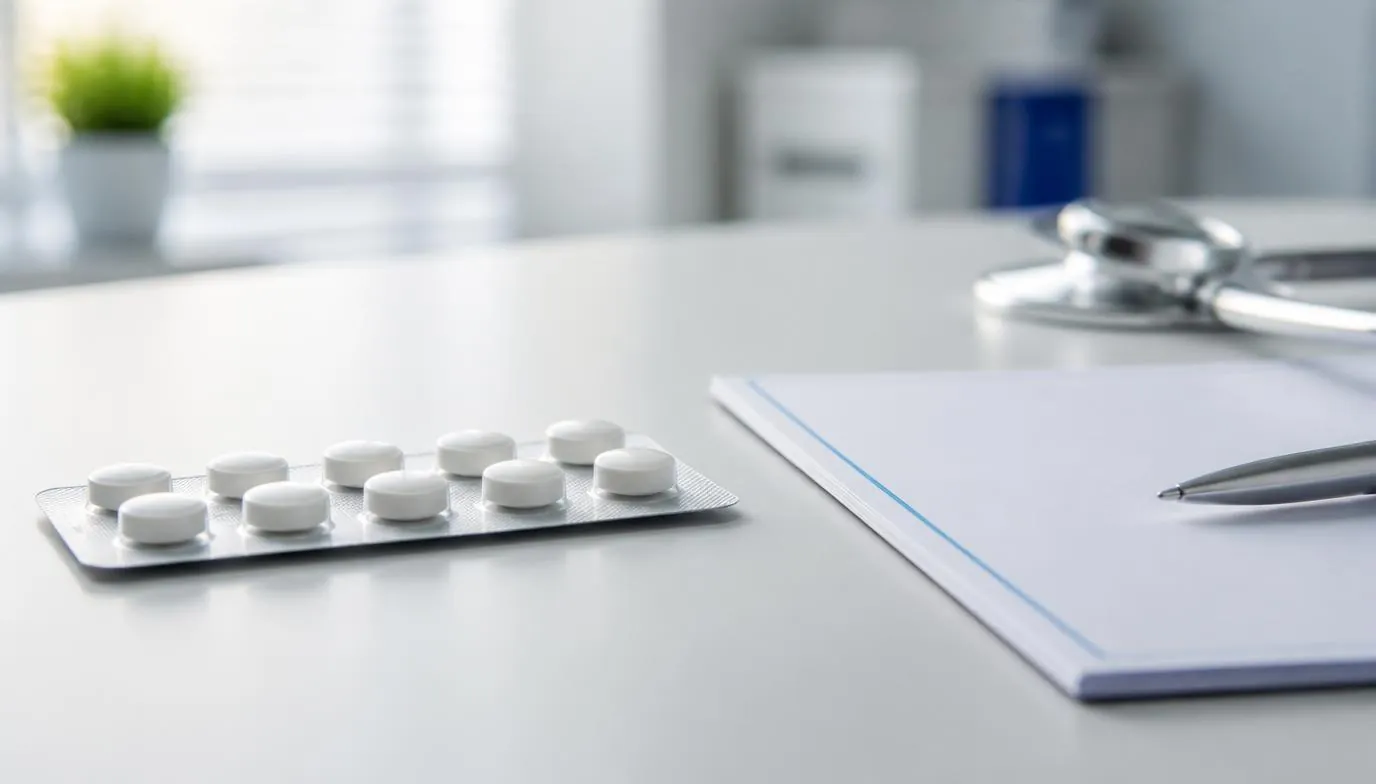
The injectable GLP-1 receptor agonists that transformed obesity and type 2 diabetes treatment over the past few years have relied on a manufacturing process that is slow, capital-intensive and difficult to scale. Oral versions, several of which have reached late-stage trials or early regulatory approval this year, are being pitched as the fix. The clinical case for optimism is reasonable. The access case is more complicated than the headlines suggest.
Why a pill is harder than it sounds
GLP-1 is a peptide, and peptides are normally broken down by stomach acid and digestive enzymes before they can reach the bloodstream in any useful quantity. Oral formulations get around this either by co-formulating the peptide with an absorption enhancer that temporarily protects it as it crosses the stomach lining, or by using smaller, non-peptide molecules that activate the same receptor but are chemically stable enough to survive digestion. Both approaches have shown meaningful weight loss and glycaemic benefits in trials, though efficacy in some oral peptide formulations has trailed the injectable originals somewhat, and dosing generally requires stricter fasting conditions around administration.
- Absorption-enhanced peptide pills must be taken on an empty stomach with a small amount of water, and food must be avoided for a set window afterwards — a real adherence burden.
- Small-molecule oral agonists are less finicky about food timing and may prove easier to manufacture at scale using conventional pharmaceutical chemistry rather than biologic production lines.
- Trial data so far suggests gastrointestinal side effects — nausea, reflux — are broadly similar in kind to the injectable drugs, though comparative severity varies by formulation.
The manufacturing argument
The strongest argument for oral GLP-1 drugs easing shortages is not about the pill itself but about what it replaces: peptide synthesis at industrial scale, which has been the binding constraint behind years of intermittent shortages of the injectable drugs. Small-molecule agonists, in particular, can in principle be produced using existing generic-drug manufacturing capacity rather than the specialised bioreactor capacity that peptide drugs require. If that holds up at commercial scale, it could meaningfully expand global supply over the coming several years.
A pill solves the needle problem. It does not automatically solve the price problem, and price is the bigger barrier for most people who can't get these drugs today.
Why price may not fall quickly
Manufacturers have strong commercial incentives to price oral formulations close to, not below, the injectable versions, at least initially, since the addressable market — people who want to avoid injections — is large regardless of underlying cost. Health systems and insurers negotiating access are watching closely, but list prices for a first wave of new obesity drugs have historically stayed high even as competition increased, with meaningful reductions arriving only once multiple approved alternatives exist and formularies can play them off against each other.
What would actually change access
- Multiple approved oral competitors reaching market roughly simultaneously, forcing price competition.
- Regulatory pathways for generic or biosimilar small-molecule agonists once patents lapse, which is further off than headlines about 2026 approvals imply.
- Public health systems negotiating population-level pricing rather than leaving access to individual insurance formularies.
- Continued manufacturing capacity investment, since even oral small-molecule production takes years to scale from approval to full market supply.
The clinical direction of travel is genuinely encouraging: a needle-free option lowers a real barrier for people who avoid injectable treatment altogether, and eventual manufacturing efficiencies could ease the supply constraints that have left pharmacies rationing injectable pens. But anyone expecting oral GLP-1 drugs to arrive this year at a fraction of current cost is likely to be disappointed. The pill is a genuine step forward. It is not, on its own, an access revolution.
Was this helpful?
Dr. Amina Yusuf
Health Editor, Lonic
Amina is a practising physician who reads clinical trial data for a living and writes about metabolic health, ageing and evidence quality.
- Clinical evidence
- Metabolic health
- Longevity research
Read our editorial standards or send a correction.
Related articles
GLP-1 Muscle Loss: The Weight Loss Drug Trade-Off the Evidence Actually Shows
GLP-1 medicines are now among the most-searched health topics on earth. The long-term data is arriving — and it is more nuanced than either camp claims.

The Antibiotic Pipeline Is Thin, and the Bacteria Are Not Waiting
Antimicrobial resistance is rising faster than the industry is producing new drugs to treat it. The economics, not the science, are the main obstacle.

Fibermaxxing: What the Evidence Says About 2026's Biggest Nutrition Trend
Search interest is up 115 per cent. Unusually for a viral eating trend, the underlying science is solid — but the way people are attempting it is not.

Mouth Taping for Sleep: The Evidence, the Risks and Who Should Not Try It
It is cheap, it is everywhere, and the clinical evidence is far thinner than the confidence with which it is recommended. For one group of people it is actively dangerous.