Ultra-Processed Food: What's Actually Established, and What's Still Contested
The evidence linking ultra-processed food to poor health outcomes has grown substantially. But the category itself is broad enough that some of the strongest public claims outrun what the research supports.
 Dr. Amina Yusuf 8 min read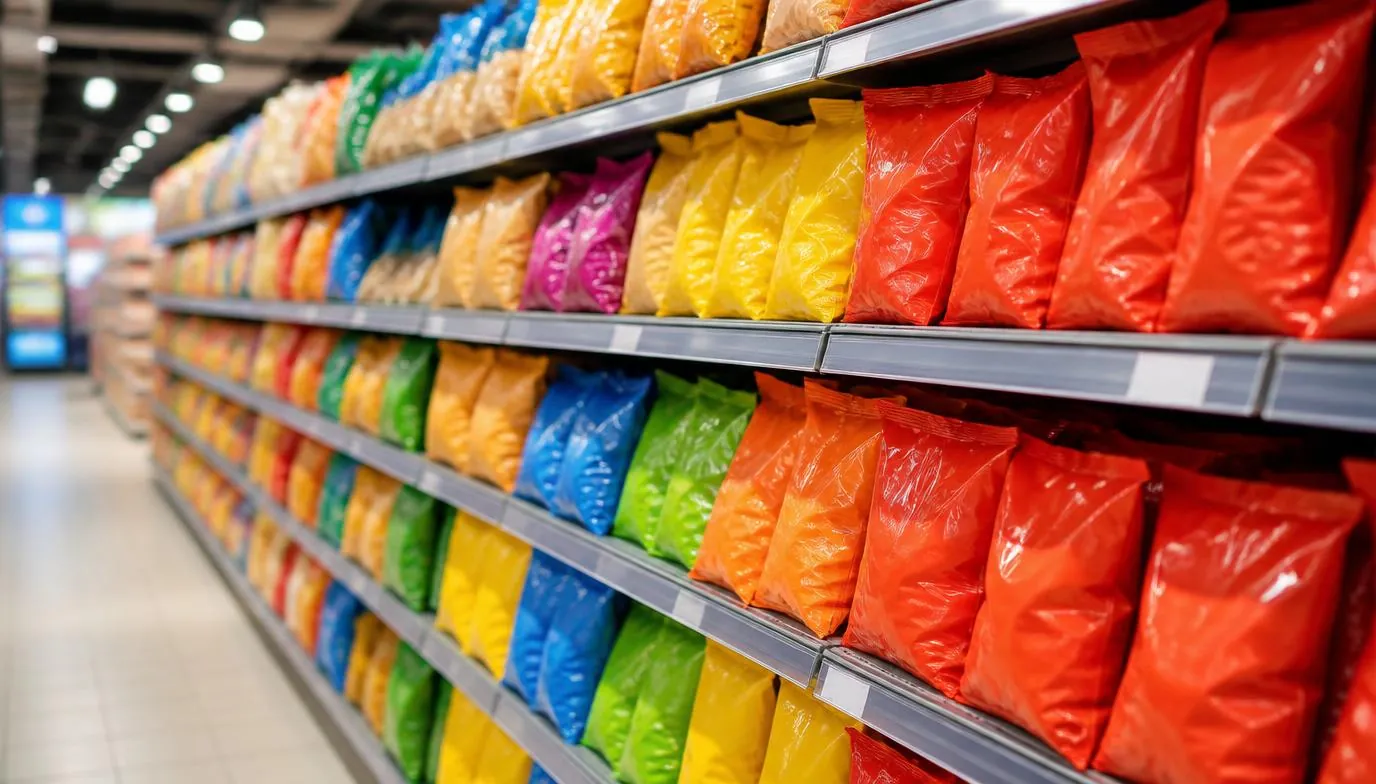
Few areas of nutrition science have moved as quickly from academic obscurity to mainstream household term as ultra-processed food. The concept, built around the NOVA classification system developed by Brazilian researchers, sorts foods by degree and purpose of processing rather than by conventional nutrient content. The evidence connecting high ultra-processed food consumption to worse health outcomes has grown substantially in recent years, but the category is broad enough that some claims now circulating outrun what the data actually shows.
What the NOVA classification actually measures
NOVA sorts foods into four groups: unprocessed or minimally processed foods; processed culinary ingredients like oils and sugar; processed foods such as canned vegetables or cheese; and ultra-processed foods, defined not primarily by nutrient content but by the presence of ingredients not typically used in home cooking — emulsifiers, flavour enhancers, industrial hydrogenation products — and by formulations designed for palatability, shelf life and convenience rather than nutritional composition per se.
- Soft drinks, packaged snacks, reconstituted meat products and many breakfast cereals fall clearly and uncontroversially into the ultra-processed category.
- Some wholegrain breads, plant-based meat alternatives and fortified plant milks also technically meet the ultra-processed criteria despite having nutrient profiles that look reasonably healthy by conventional standards.
- This mismatch between processing category and nutrient content is the central point of contention among nutrition scientists evaluating the framework.
What's well established
Large observational cohort studies across multiple countries consistently find that higher proportions of ultra-processed food in the diet are associated with higher rates of obesity, type 2 diabetes, cardiovascular disease and, in some studies, certain cancers and earlier mortality. One randomised controlled feeding trial — a rare and valuable design in nutrition research because it can establish causation rather than just association — found that participants eating an ultra-processed diet matched for calories, sugar, fat, fibre and macronutrients to a minimally processed diet still ate more calories overall and gained weight, while the minimally processed diet arm lost weight, over a short inpatient study period.
That one trial is important precisely because it controlled for nutrient content and still found a difference. It's the strongest piece of evidence we have that something about processing itself, not just what's inside the food, affects intake.
What's still genuinely contested
- Whether the effect is driven by a specific mechanism — the food matrix being disrupted, hyper-palatable formulation, faster eating speed with soft processed textures, or additive exposure — remains unresolved, and different researchers weight these explanations differently.
- Whether all foods classified as ultra-processed carry equivalent risk, given that the category includes items with very different nutrient profiles, is a live methodological debate, and some researchers argue NOVA is too blunt an instrument for policy use as currently defined.
- Long-term inpatient feeding trials of the kind that could most cleanly establish causation are expensive and difficult to run at scale, so most of the strongest evidence remains observational and therefore vulnerable to confounding from other lifestyle factors correlated with high ultra-processed food intake.
Where that leaves practical advice
Public health bodies in several countries have begun incorporating ultra-processed food reduction into dietary guidance, generally framing it as a complement to, not a replacement for, existing advice on sugar, saturated fat and fibre intake. The most defensible practical takeaway from the current evidence is to prioritise minimally processed foods where feasible and treat proportion of the diet from heavily processed, energy-dense, low-satiety products as a meaningful factor — while being cautious about applying a blanket 'ultra-processed equals unhealthy' label to every food the classification technically captures.
Was this helpful?
Dr. Amina Yusuf
Health Editor, Lonic
Amina is a practising physician who reads clinical trial data for a living and writes about metabolic health, ageing and evidence quality.
- Clinical evidence
- Metabolic health
- Longevity research
Read our editorial standards or send a correction.
Related articles
Fibermaxxing: What the Evidence Says About 2026's Biggest Nutrition Trend
Search interest is up 115 per cent. Unusually for a viral eating trend, the underlying science is solid — but the way people are attempting it is not.

The Antibiotic Pipeline Is Thin, and the Bacteria Are Not Waiting
Antimicrobial resistance is rising faster than the industry is producing new drugs to treat it. The economics, not the science, are the main obstacle.

Why Measles Keeps Coming Back
Measles outbreaks are being reported in multiple countries that had previously eliminated the disease. The underlying cause is a slow, sustained decline in childhood vaccination coverage.

Mouth Taping for Sleep: The Evidence, the Risks and Who Should Not Try It
It is cheap, it is everywhere, and the clinical evidence is far thinner than the confidence with which it is recommended. For one group of people it is actively dangerous.