VO2 Max and Longevity: Separating Durable Evidence From Expensive Hope
Biological age tests, senolytics, protocols and supplements. A plain reading of what has human evidence and what does not.
 Dr. Amina Yusuf 7 min read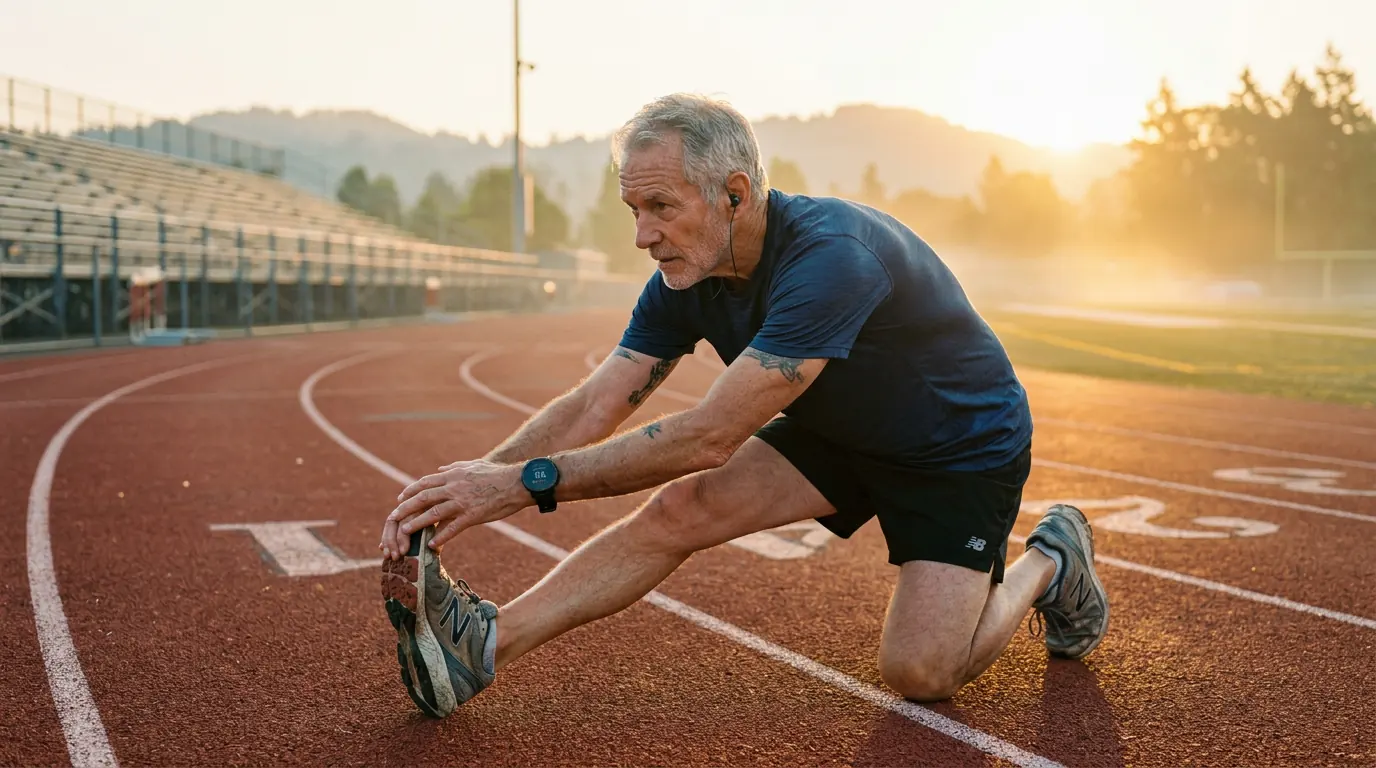
Longevity is searched roughly fifty thousand times a month, and the gap between what sells and what is supported has rarely been wider. Here is the current split, judged only on human evidence.
Strong human evidence
- Cardiorespiratory fitness: among the strongest single predictors of all-cause mortality that behaviour can change.
- Resistance training and preserved muscle mass, particularly after fifty.
- Sleep regularity — timing consistency now looks as important as total duration.
- Blood pressure, lipid and glucose control, unfashionable and repeatedly decisive.
- Social connection, with effect sizes comparable to major clinical risk factors.
Promising but unresolved
Senolytics that clear ageing cells remain compelling in animals with early human trials underway. Epigenetic clocks measure something real but are noisy enough that a single consumer test can shift several years on a retest. Metabolic repurposing of existing drugs is under study in large trials whose results will matter more than any current protocol.
If an intervention promises to reverse ageing and can be bought without a clinician, the evidence for it is almost certainly weaker than the marketing.
How to evaluate a longevity claim
Look for randomised human data, a hard endpoint rather than a biomarker, replication by an independent group, and disclosure of who funded the work. Most of the popular protocol stack fails at least two of those tests, which does not make it harmful — only unproven and often expensive.
Was this helpful?
Dr. Amina Yusuf
Health Editor, Lonic
Amina is a practising physician who reads clinical trial data for a living and writes about metabolic health, ageing and evidence quality.
- Clinical evidence
- Metabolic health
- Longevity research
Read our editorial standards or send a correction.
Related articles
Fibermaxxing: What the Evidence Says About 2026's Biggest Nutrition Trend
Search interest is up 115 per cent. Unusually for a viral eating trend, the underlying science is solid — but the way people are attempting it is not.
Mouth Taping for Sleep: The Evidence, the Risks and Who Should Not Try It
It is cheap, it is everywhere, and the clinical evidence is far thinner than the confidence with which it is recommended. For one group of people it is actively dangerous.

Oral GLP-1 Drugs Are Coming. Will They Actually Widen Access?
Pill versions of the weight-loss and diabetes drugs that have dominated health headlines are moving through late-stage trials and early approvals. The manufacturing story matters more than the marketing.

The Antibiotic Pipeline Is Thin, and the Bacteria Are Not Waiting
Antimicrobial resistance is rising faster than the industry is producing new drugs to treat it. The economics, not the science, are the main obstacle.