Stocks Near Record Highs as Oil Slides on Hormuz Reopening Hopes
US equities are pushing toward record territory as crude oil falls on hopes that shipping through the Strait of Hormuz will normalise. The rally traces a familiar chain: lower oil, softer inflation expectations, and room for interest-rate relief.
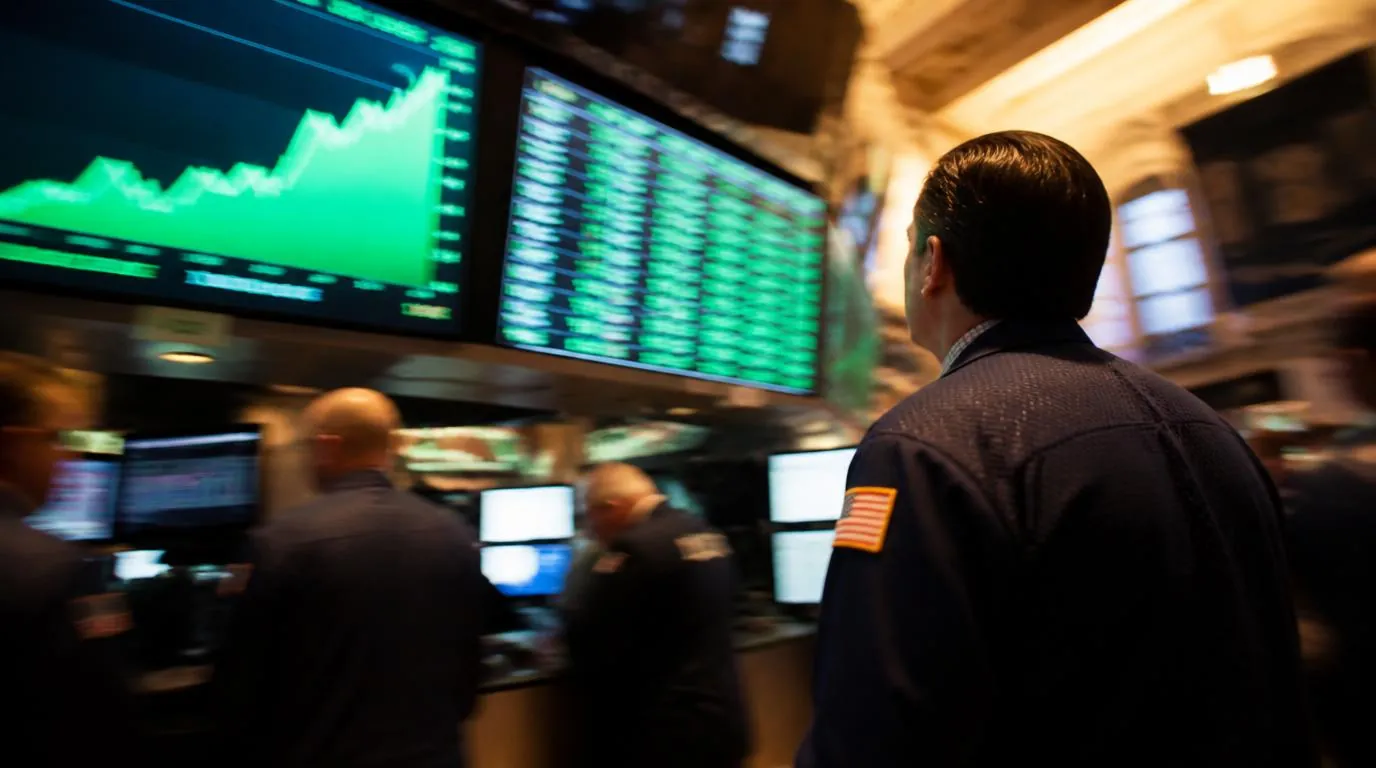
US stock indices moved close to record highs this week as oil prices fell sharply on growing hopes that shipping through the Strait of Hormuz, a chokepoint for a substantial share of the world’s seaborne oil trade, would return to more normal conditions. The rally illustrates a transmission chain investors watch closely: falling oil prices ease inflation expectations, which in turn widens the room central banks have to consider interest-rate relief, a sequence that has repeatedly proven to be one of the more reliable drivers of broad market sentiment.
Why the Strait of Hormuz matters so much to markets
The Strait of Hormuz sits at the mouth of the Persian Gulf and remains one of the most consequential physical bottlenecks in global energy markets, given the volume of crude and liquefied natural gas that passes through it daily. Any credible threat of disruption there tends to move oil prices immediately, since even a partial reduction in flow through the strait cannot be easily replaced by alternative routes or reserves in the short term. Conversely, signs that tensions affecting the strait are easing tend to produce a rapid reversal in oil prices, which is broadly what markets are pricing in now.
The mechanics of the oil-inflation-rates chain
Energy costs feed directly into headline inflation figures and indirectly into a wide range of other prices through transport and production costs, making oil one of the more immediate levers on near-term inflation readings. When oil prices fall meaningfully, it becomes easier for central banks to argue that inflationary pressure is easing without requiring restrictive monetary policy to do all the work, opening space for rate cuts or at least a pause in tightening. Equity markets, which are particularly sensitive to the path of interest rates given how borrowing costs affect valuations, tend to react quickly and positively to that shift in expectations.
What is driving the reopening hopes specifically
- Diplomatic signals suggesting reduced near-term risk of disruption to shipping lanes through the Gulf region, though the underlying tensions have not been fully resolved.
- Falling shipping-insurance premiums for vessels transiting the strait, often read by traders as a practical indicator of perceived risk levels.
- Continued steady output from major oil producers, which has helped prevent supply concerns from compounding geopolitical risk in the way seen in some past episodes.
- Softer recent inflation data in several major economies, which has made markets more receptive to reading any additional oil-price relief as reinforcing a broader disinflation trend.
- Positioning by traders who had built in a geopolitical risk premium to oil prices and are now unwinding those bets as tensions appear, for now, to be easing.
Markets are not pricing in a resolved Gulf security situation. They are pricing in a lower probability of the worst-case disruption scenario, which is a meaningfully different and more fragile thing.
The risks to this rally
The chain connecting Hormuz shipping conditions, oil prices, inflation expectations, and equity valuations runs in both directions, and each link is vulnerable to reversal. A renewed escalation affecting shipping through the strait would push oil prices back up quickly, undermining the disinflation narrative that has supported recent market gains. Equity valuations, already elevated relative to historical norms in several sectors, leave relatively little cushion if the interest-rate relief markets are anticipating fails to materialise on the timeline currently priced in.
What would confirm or undermine the current optimism
The clearest confirming signal would be sustained calm in Gulf shipping activity over an extended period, alongside inflation data that continues to soften independently of oil-price movements, giving central banks a firmer basis for rate cuts rather than one dependent on a single volatile commodity. The clearest warning signal would be any indication that current calm reflects a temporary lull rather than a genuine reduction in underlying tension, since markets have previously been caught out pricing in de-escalation that proved short-lived, only for renewed disruption to reverse both oil prices and equity gains within a matter of days.
Was this helpful?
Related articles
How a Hormuz Disruption Turns Into an Inflation Problem for Central Banks
The transmission from a Strait of Hormuz disruption to oil and gas prices, inflation expectations and central bank policy is neither instant nor uniform. Here is how the mechanics actually work, and why Asian economies are the most exposed.

Why Hormuz Shipping Insurance Is Repricing Global Trade Risk
A second tanker incident near the Strait of Hormuz has widened force majeure declarations across shipping, pushing insurers to reprice risk on a route carrying a fifth of world oil consumption.

A Cargo Ship Was Hit in the Strait of Hormuz. Now the Question Is Who Insures the Next One
A cargo vessel was struck by an unidentified projectile transiting the Strait of Hormuz, hardening fears that the US-Iran conflict could disrupt the world's single most important oil and gas chokepoint. Trump says reopening could come 'literally by tomorrow'.
Oil Price Forecast 2026: Supply Discipline Meets Demand Uncertainty
Crude has traded in a wide band all year, pulled between production restraint, geopolitical risk premiums and a demand picture that refuses to follow the historical script.