Trump Halts New Iran Strikes as Hormuz Talks Restart Under Gulf Pressure
Trump says planned strikes on Iran are cancelled 'subject to a deal being made rapidly', as Gulf states push for calm and Tehran denies any negotiation is under way.
 Sofia Marchetti 8 min read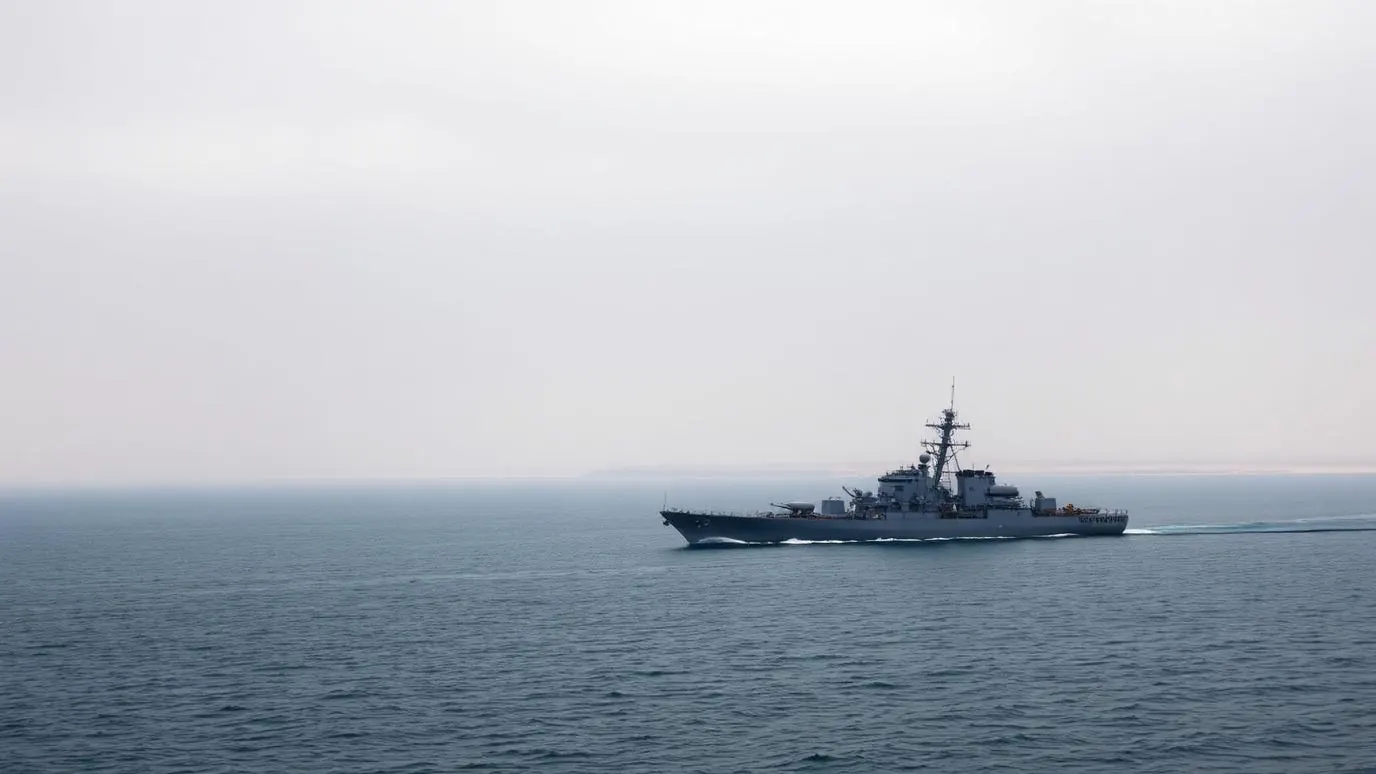
President Trump said on Sunday that a new round of strikes on Iranian targets, understood to have been prepared and ready to launch within days, had been called off 'subject to a deal being made rapidly'. The announcement, reported first by the BBC, came after what officials in the region described as urgent, sustained pressure from Qatar, Saudi Arabia and the United Arab Emirates, all of which have spent the past fortnight warning Washington and Tehran that a further escalation risked shutting down the Strait of Hormuz altogether.
The trouble is that nobody in Tehran appears to agree a deal is close. Iran's foreign ministry has flatly denied that substantive talks are taking place, a position it has repeated to both the BBC and Al Jazeera in near-identical language over the past two days. That gap between the American framing and the Iranian denial is now the central uncertainty hanging over the Gulf.
Why the Gulf states intervened
Qatar, Saudi Arabia and the UAE have the most to lose from any prolonged closure or disruption of Hormuz, through which a large share of the world's seaborne oil and liquefied natural gas passes. Diplomats briefed on the calls to Washington described a consistent message: any strike campaign that provokes an Iranian response against shipping would hit Gulf economies before it meaningfully weakens Tehran's military capacity. That argument, according to AP's reporting, was decisive in the timing of Trump's announcement.
- Qatar has the most exposed LNG export infrastructure of any Gulf state and relies on unimpeded transit through Hormuz.
- Saudi Arabia has spent several years quietly rebuilding a working relationship with Tehran and does not want a US strike campaign to unravel it.
- The UAE's ports and re-export trade are especially sensitive to insurance and shipping disruption.
- All three governments have hosted or facilitated indirect channels between Washington and Tehran in the past year.
A corridor deal with Oman, not the US
Separately from anything involving Washington, Iran is negotiating with Oman over a temporary two-way corridor through the strait intended to keep commercial traffic moving even if tensions rise further, according to Anadolu. The arrangement would function as a practical, narrowly maritime accommodation rather than a political settlement, and Omani officials have been positioning themselves as the channel least compromised by direct involvement in the US-Iran standoff.
A corridor agreement with Oman is not a peace deal. It is an insurance policy that both sides can use without admitting they are talking to each other.
Tankers, force majeure and a widening incident
The commercial cost of the standoff is already visible. A second tanker carrying Qatari liquefied natural gas was reportedly struck in the past week, according to Euronews, and the resulting force majeure declarations by shippers and buyers are widening rather than narrowing. Force majeure clauses allow parties to suspend contractual obligations when events outside their control make delivery impossible or unsafe, and their invocation here signals that commercial operators now regard the risk as material rather than theoretical.
The UK Maritime Trade Operations agency also reported a separate incident in waters off north-east Oman, according to CNBC, adding to a pattern of maritime disruption that has made insurers increasingly reluctant to cover transits through the strait without steep premiums.
Tehran's show of force
Iran has not responded to the pressure by softening its public posture. On 30 July, state media broadcast footage of missile systems displayed in Tehran's Azadi Square, a display Reuters described as a deliberate signal of continued military readiness rather than any retreat. The display, coming just days before Trump's announcement, complicates the American narrative that a deal is imminent: it is difficult to read as the behaviour of a government preparing to make rapid concessions.
What to watch
- Whether Iran's foreign ministry shifts its public denial in the coming days, which would be the clearest signal that back-channel talks are genuinely under way.
- Whether the Oman corridor arrangement is formalised, which would matter more to global oil and LNG markets than any statement from Washington.
- Further tanker incidents or force majeure declarations, which insurers are treating as the most reliable indicator of real risk.
- Whether Gulf states continue their public diplomacy or step back once the immediate strike threat has passed.
For now, the most honest description of the situation is a pause rather than a resolution. Trump has cancelled strikes conditional on progress that Iran says does not exist, Gulf states have bought time rather than an outcome, and the practical business of moving tankers through Hormuz is being managed hour by hour rather than under any agreed framework.
Was this helpful?
Sofia Marchetti
Policy Correspondent, Lonic
Sofia reports on migration and labour policy and has reviewed visa frameworks across more than forty countries.
- Migration policy
- Labour law
- Remote work
Read our editorial standards or send a correction.
Related articles
Why Hormuz Shipping Insurance Is Repricing Global Trade Risk
A second tanker incident near the Strait of Hormuz has widened force majeure declarations across shipping, pushing insurers to reprice risk on a route carrying a fifth of world oil consumption.
The Ceuta Border Crisis Explained: How 60,000 Crossings Overwhelmed a City
A Spanish enclave of 85,000 people absorbed a crowd almost as large as itself in a single day. Here is what happened at Ceuta, why it happened now, and what comes next.
EU Migration Policy After Ceuta: What Actually Changes Now
Every mass-arrival event triggers the same three proposals in Brussels. This time the pressure is landing on Schengen itself — and the numbers behind the debate are worth reading closely.

Spain and Morocco: The Quiet Bargain Behind Europe's Most Fragile Border
Ceuta and Melilla are policed by an arrangement almost nobody has read, because it was never written as a single document. Understanding it explains far more than the fences do.