Why Hormuz Shipping Insurance Is Repricing Global Trade Risk
A second tanker incident near the Strait of Hormuz has widened force majeure declarations across shipping, pushing insurers to reprice risk on a route carrying a fifth of world oil consumption.
 Priya Raman 8 min read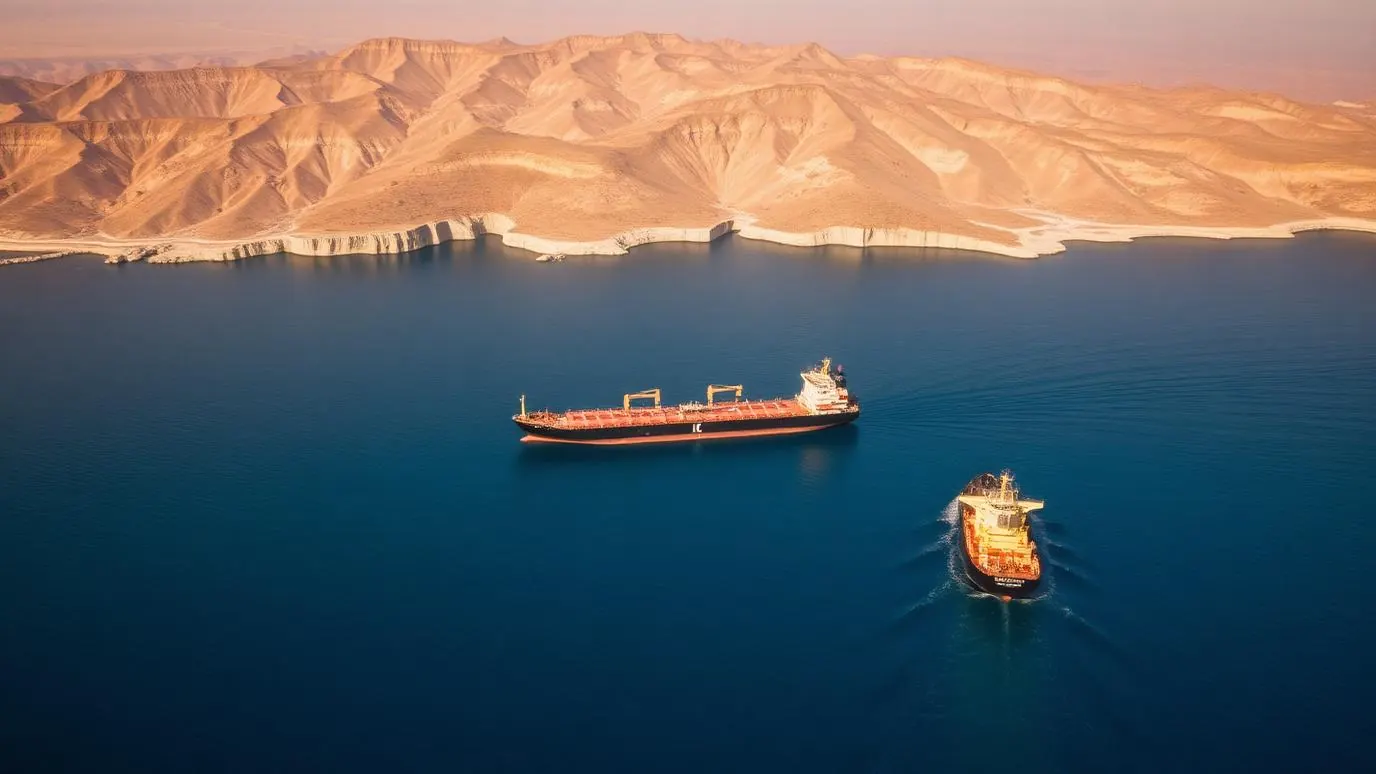
A second tanker carrying Qatari liquefied natural gas has reportedly struck an object near the Strait of Hormuz, according to Euronews, adding to a run of incidents that is prompting shipping operators to widen force majeure declarations across the route. The strait carries roughly a fifth of global oil consumption on a normal day, and the growing caution among operators and insurers is now doing something that military escalation alone had not fully managed: repricing the cost of moving energy through the region.
What has happened on the water
The UK's maritime security agency reported a separate incident in waters off north-east Oman, according to CNBC, adding to a pattern of disruptions that has unsettled operators well beyond the vessels directly involved. Force majeure clauses, which allow shipping companies to suspend contractual obligations when conditions make normal operations unsafe or impossible, have been invoked by a widening group of operators as the incidents accumulate.
- A second LNG tanker carrying Qatari cargo reportedly struck an object near Hormuz, following an earlier incident.
- The UK maritime security agency logged a separate incident in north-east Oman waters.
- Force majeure declarations have widened across multiple shipping operators active in the strait.
- Roughly one-fifth of global oil consumption normally transits Hormuz on any given day.
How insurers are responding
Marine war-risk insurance is typically priced on a rolling assessment of regional risk, reviewed far more frequently than standard hull or cargo cover. As incidents accumulate near Hormuz, insurers are adjusting premiums for vessels transiting the strait, and in some cases narrowing the routes or conditions under which they will offer cover at all. Those costs flow through to shipping rates, and from there into the price of the oil and gas that continues to move through the passage.
Insurers don't need a war to move the price. They need a pattern. Two tanker incidents and a separate report from the maritime security agency inside a matter of weeks is a pattern.
The diplomatic backdrop
Iran and Oman are reportedly negotiating a temporary two-way corridor through the strait, according to Anadolu, an arrangement that would attempt to give commercial traffic a defined, monitored route through the most contested stretch of water. Any such corridor would need to satisfy both regional security concerns and the practical demands of shipping operators who need predictable transit times to plan routes and insurance cover.
The broader political context includes a pause in US strikes in the region that CNBC reported was explicitly tied to preserving room for a Hormuz deal. That framing suggests Washington sees a negotiated corridor arrangement as preferable, at least for now, to further military action that could risk closing the strait outright, an outcome that would be far more damaging to global energy markets than the current disruption.
- Iran and Oman are negotiating a temporary corridor intended to provide safer, monitored passage for commercial shipping.
- The US has paused strikes in the region, reportedly to preserve space for a negotiated Hormuz arrangement.
- A closure or prolonged disruption of the strait would affect roughly a fifth of global oil consumption.
- Shipping rates and insurance premiums are already adjusting ahead of any formal diplomatic resolution.
What to watch
- Whether Iran and Oman finalise a temporary corridor arrangement and how quickly operators adopt it.
- Whether further tanker incidents accelerate force majeure declarations across the shipping industry.
- How insurers adjust war-risk premiums over the coming weeks as more data comes in.
- Whether the US strike pause holds if a Hormuz corridor deal stalls.
Markets have not yet priced in a full closure of the strait, and officials on all sides appear to be working to avoid one. But the accumulation of incidents has already done real economic work: shipping operators are re-routing risk assessments in real time, insurers are repricing cover, and the cost of that caution is quietly moving through global energy markets well before any formal diplomatic outcome is settled.
Was this helpful?
Priya Raman
Business Editor, Lonic
Priya reports on corporate technology spending and previously ran competitive analysis for a Fortune 100 finance team.
- Business strategy
- Technology spending
- Markets
Read our editorial standards or send a correction.
Related articles
Trump Halts New Iran Strikes as Hormuz Talks Restart Under Gulf Pressure
Trump says planned strikes on Iran are cancelled 'subject to a deal being made rapidly', as Gulf states push for calm and Tehran denies any negotiation is under way.

The Fractional COO Boom: Why Growing Companies Are Renting Operational Leadership
Search demand for fractional operating executives has climbed sharply. The model solves a real problem for companies between 20 and 200 people — when it is scoped correctly.

Trending Products 2026: Sustainable Toothbrushes, Glass Straws and What Is Driving Demand
Two unrelated products are climbing search charts for the same underlying reason. A look at what the sustainable consumer goods boom is actually rewarding.
SpaceX's First Earnings Report as a Public Company Will Test Its AI Bet
Reuters reports SpaceX will post its first results since a record IPO on 3 August 2026, with investors probing whether Starlink profits can fund its AI ambitions.