Tesla Robotaxi: The Real Test Is Scale, Not the Demo
Limited commercial deployments have shown the technology can work under favourable conditions. Whether Tesla’s robotaxi ambitions can scale to broad, unsupervised operation remains the open question that matters most.
 Mara Ellison 9 min read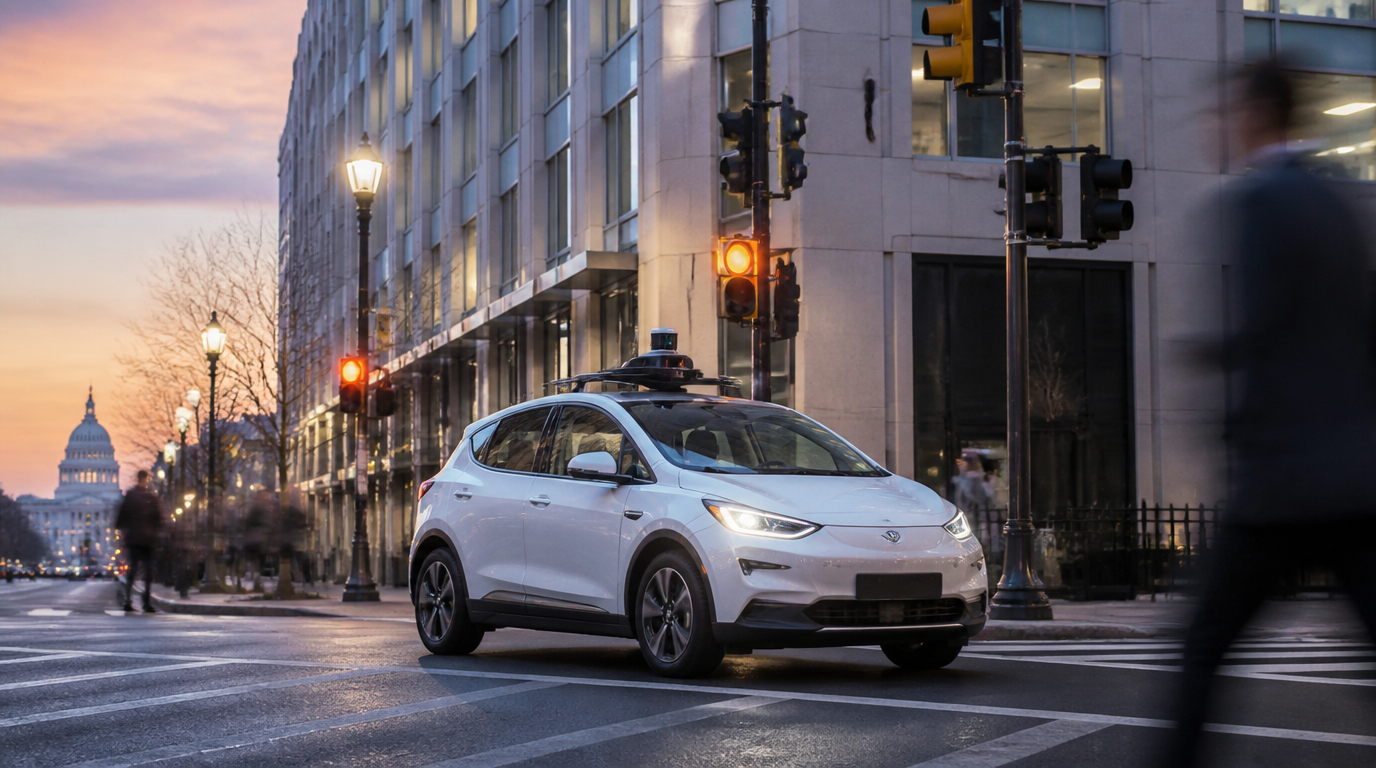
Every autonomous vehicle programme eventually reaches the same fork: the point where a technology that has worked convincingly in a limited pilot has to prove it can work everywhere, all the time, without a safety driver quietly correcting for the cases nobody designed for. Tesla’s robotaxi effort is now approaching that fork, and the coverage of it has tended to conflate two very different achievements — getting a service running, and getting it to scale.
What has actually been demonstrated
Limited commercial robotaxi operations, run in geofenced areas under specific weather and traffic conditions, have shown that Tesla’s current software stack can handle the great majority of everyday driving situations competently. That is a genuine technical achievement, and it should not be dismissed simply because it falls short of Tesla’s longer-standing public ambitions. But a geofenced pilot with safety monitoring, in a market with wide roads and predictable weather, is a controlled experiment. It is a necessary step, not a sufficient one, and treating it as proof of imminent nationwide deployment overstates what has been shown.
Why the robotaxi scaling problem is different from the driver-assist problem
Tesla’s advantage in driver-assistance systems has always rested on fleet-scale data collection: millions of vehicles with attentive human drivers generating edge-case data cheaply. Removing the human from the loop for a genuine robotaxi service inverts that advantage. The system now has to handle the edge cases itself, in real time, with no fallback, which means the tolerance for error drops sharply exactly as the operating environment becomes less controlled. Scaling from one city to many means encountering weather, road markings, construction patterns and driving cultures that a geofenced pilot was specifically chosen to avoid.
A pilot proves the system can succeed somewhere. Scale proves it can fail safely everywhere, which is a much harder and much less photogenic thing to demonstrate.
The regulatory dimension
- Regulators in different jurisdictions apply materially different standards for what counts as adequate evidence of safety before permitting driverless operation without a safety monitor.
- Expansion into new cities and states generally requires separate approval processes, each with its own timeline and evidentiary bar.
- Any serious incident during early scaling tends to trigger a broader regulatory review than the incident itself would strictly warrant, because regulators are conscious of setting precedent.
- Insurance frameworks for driverless commercial passenger services are still relatively immature, which affects the economics of expansion independent of the technology itself.
The competitive backdrop
Tesla is not the only company attempting to move from pilot to scaled robotaxi operation, and rivals with more conservative but more extensively validated sensor approaches have generally scaled more cautiously and more slowly. Tesla’s camera-only approach is cheaper to deploy across a large fleet, which is a genuine structural advantage if the software proves reliable enough, but it also removes a layer of redundancy that competitors treat as a safety margin. Whether that trade-off proves correct will only be settled by an operating record at scale, not by comparing specification sheets.
What would count as real evidence of scale
The metrics worth watching are not the number of cities announced but the operating statistics within each one: miles driven per safety-relevant intervention, performance in adverse weather relative to clear conditions, and how incident rates change as the geofenced area expands into more complex road networks. Announcements of expansion into new markets are marketing events; the underlying safety data, when and if it is disclosed in comparable form, is the actual evidence.
A reasonable way to read the next twelve months
Expect continued expansion of pilot areas, continued regulatory negotiation on a jurisdiction-by-jurisdiction basis, and continued gaps between Tesla’s public timeline statements and what independent observers can verify. None of that amounts to failure — this is roughly the pace at which every serious autonomous vehicle programme has moved once it left the demo stage. The more useful question for readers is not whether Tesla’s robotaxi service exists in a given city by a given date, but whether its safety record in that city, once established, holds up as the operating area grows.
Was this helpful?
Mara Ellison
Technology Editor, Lonic
Mara has covered enterprise software for eleven years and spent two of them embedded with deployment teams shipping agent systems into production support desks.
- Artificial intelligence
- Enterprise software
- Automation
Read our editorial standards or send a correction.
Related articles
Cities Are Pushing Back on Robotaxis' Nighttime Habits Over Noise Complaints
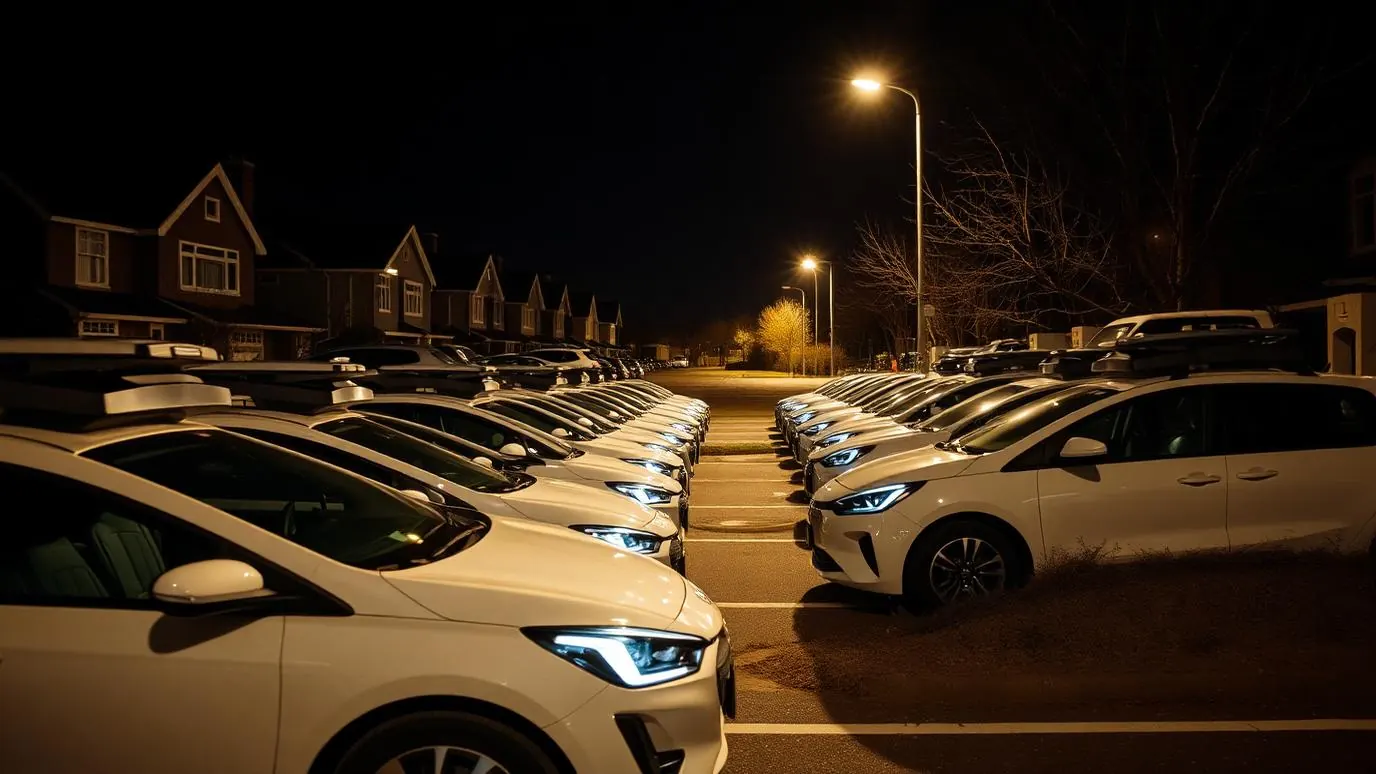
A judge ordered Waymo to halt overnight charging in Santa Monica after resident noise complaints, opening a new city-level regulatory front beyond robotaxi safety.

Anthropic Says AI Orchestrated a Real Cyberattack. Here Is What That Actually Means
The disclosure describes a model executing most of an intrusion campaign with limited human direction. Separating the genuinely new part from the familiar part matters.

Defending at Machine Speed: How Security Teams Have to Change
If attackers automate the middle of the kill chain, defenders who keep a human in every loop will simply be outrun. A practical framework for what to automate first.

Agentic Orchestration Explained: What It Is and Why Enterprises Are Buying It
Search interest is up sharply and vendors have moved fast. Underneath the terminology is a genuinely useful architecture — and a set of failure modes worth understanding first.