World Cup 2026 Schedule: A Guide to the Expanded Tournament
The 2026 tournament’s expanded format changes the rhythm of the competition as much as its size. Here is how the World Cup 2026 schedule is structured and what it means for how fans should plan to follow it.
 Tomás Ferreira 8 min read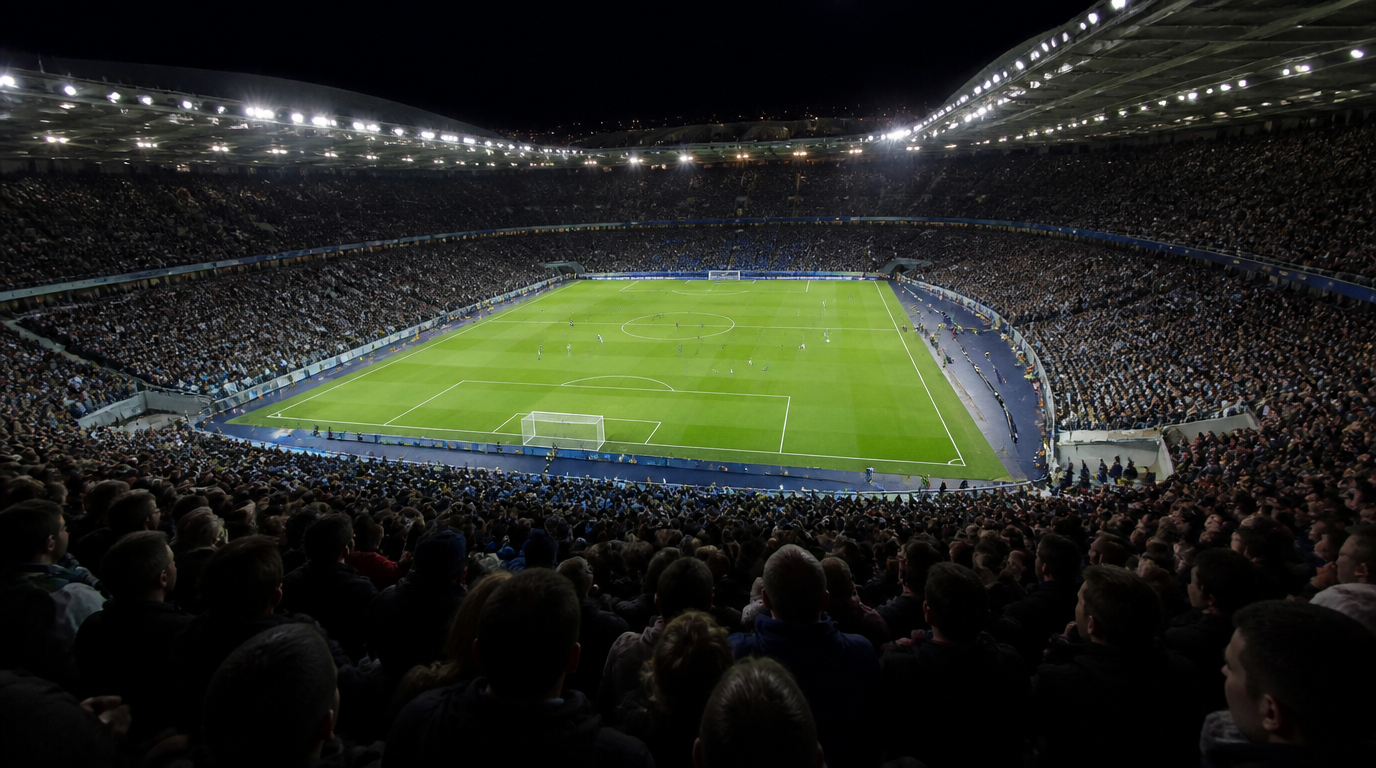
The World Cup 2026 schedule is built around a tournament unlike any before it: an expanded field, three host countries, and a group stage designed to accommodate both. Understanding the shape of that schedule matters more than usual this cycle, because the format changes — not just the increased size — affect how the tournament will actually feel to follow, from the number of group games to the length of the knockout rounds.
Why the World Cup 2026 schedule looks different from past tournaments
The expansion of the tournament field required organisers to rethink the group stage structure rather than simply adding more of the same. Smaller groups mean each team plays fewer guaranteed matches before the knockout stage begins, which raises the stakes of individual group games relative to previous tournaments where a poor opening result was easier to recover from. It also compresses the number of rest days between fixtures in the early rounds, a logistical consequence of fitting a larger field into a tournament window that has not expanded proportionally.
What fans should expect from the tournament’s structure
- A larger overall field of participating nations than any previous World Cup, with qualification pathways adjusted across every confederation.
- A smaller group size than the traditional format, changing the calculus of how many points are typically needed to advance.
- An expanded knockout bracket, with an additional round before the traditional round of sixteen, extending the tournament’s overall length.
- Matches distributed across three host nations, with the logistics of cross-border travel affecting both broadcast scheduling and supporter planning.
- A tournament calendar that organisers have designed around the host regions’ summer climate considerations, a factor that shaped venue and kickoff-time decisions.
A bigger tournament is not just more matches. It changes what a good group-stage result even means, and fans who apply the old arithmetic will misjudge which teams are actually in danger.
Following fixtures across three countries
Hosting across three nations rather than one introduces scheduling constraints that previous single-host or dual-host tournaments did not have to solve. Broadcasters and organisers have to account for time zone differences across the host countries when setting kickoff times, and supporters attempting to follow their team across multiple matches face genuinely different travel logistics depending on which cities are drawn into a given group. Exact fixture-by-fixture detail — which teams play in which cities on which dates — is confirmed only once the draw and qualification are finalised, and fans should treat any schedule published well in advance of that point as provisional.
How the expanded knockout stage changes tournament pacing
Adding a round to the knockout stage means more matches overall, but it also means the tournament’s dramatic arc is stretched out rather than compressed. Historically, the jump from the group stage directly into a round of sixteen produced an abrupt tonal shift; the added round softens that transition, giving more teams a genuine knockout experience before the highest-stakes rounds begin. Whether that improves the tournament as a spectacle or simply extends it is a matter of taste that pundits are already debating, but it is a deliberate structural choice rather than an incidental consequence of the larger field.
Planning around the schedule
For fans planning travel or simply structuring how they follow the tournament, the practical advice is to treat the group stage as more volatile than in past cycles — fewer matches means less room to recover from an early loss — and to expect the tournament’s later stages to run longer into the calendar than previous editions. Specific kickoff times and venue assignments will firm up progressively as qualification concludes and the draw is made, and any planning done before that point should build in flexibility rather than commit to details that are still provisional.
Was this helpful?
Tomás Ferreira
Sports Editor, Lonic
Tomás covers football and high-altitude mountaineering, and spent six years analysing match data for a European club before turning to journalism.
- Football
- Sports governance
- Mountaineering
Read our editorial standards or send a correction.
Related articles
The Round of 32: How FIFA's Expanded Knockout Format Is Rewriting Squad Management
With the 2026 World Cup's first knockout round under way, coaches are managing rotation, fitness and suspension risk across a longer tournament than any before it. The maths of survival has changed.
How to Buy World Cup 2026 Tickets Without Getting Burned
Ticket demand for the first 48-team World Cup has broken every previous record. Here is how the sales phases actually work, what seats really cost, and where the resale traps are.

World Cup 2026: Argentina and Brazil Advance as the Expanded Format Takes Shape
Argentina beat Australia 4-1 and Brazil overcame Mexico 2-1. Beyond the scorelines, the 48-team tournament is already revealing what the new structure rewards.

The FIFA Privatisation Debate: What Is Actually Being Proposed
Talk of privatising parts of world football's governing structure has moved from fringe to boardroom. The arguments on both sides are stronger than the shouting suggests.