Suicide Bombing at Anti-Militant Rally in Pakistan's Swat Valley Kills at Least 14
A bomber struck a rally in Kabal, in Pakistan's Swat Valley, that had gathered to protest militant activity, killing at least 14 people and renewing fears of a Taliban resurgence in the region.
 Sofia Marchetti 7 min read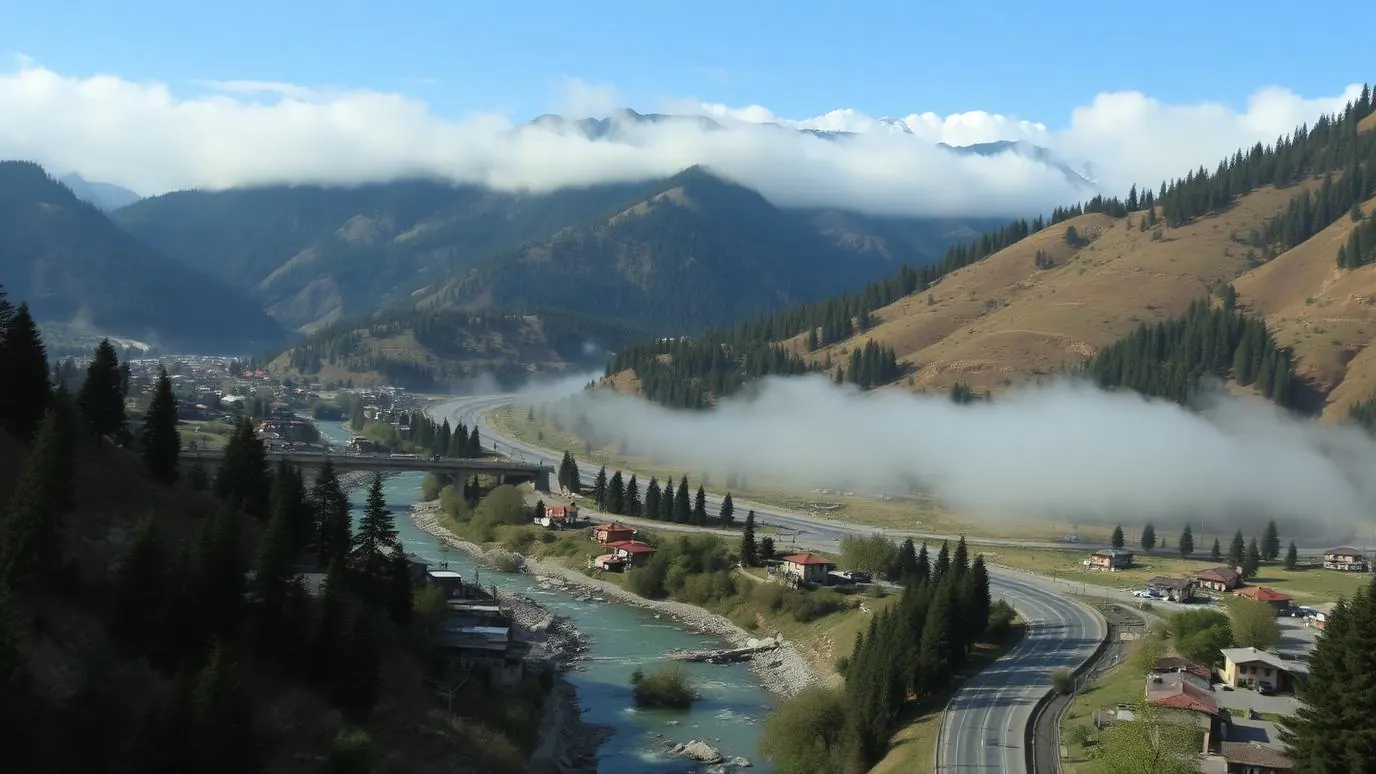
A suicide bomber attacked a rally against militant activity in Kabal, in Pakistan's Swat Valley, on the evening of Sunday 2 August 2026, according to Al Jazeera. At least 14 people were killed, most of them civilians and police officers, and more than two dozen others were wounded, the Associated Press reported. The attack struck a gathering that had assembled specifically to protest the resurgence of militant violence in the district.
Where and how the attack unfolded
Kabal sits within Swat Valley in Khyber Pakhtunkhwa province, close to the Afghan border, in a district long associated with Pakistan's fight against militancy. The rally the bomber targeted had drawn residents and local security personnel who were voicing frustration over a rise in militant incidents in the area, according to NBC's reporting. The choice of target, a demonstration explicitly opposed to militant activity, underscores how directly the attack was aimed at silencing local resistance to armed groups operating in the valley.
- The bombing took place on a Sunday evening, when the rally had drawn a substantial crowd of local residents.
- Casualties included both civilians attending the protest and police officers providing security.
- More than two dozen people were wounded in addition to those killed.
- The attack occurred in Kabal, within the wider Swat district of Khyber Pakhtunkhwa province.
A valley with a difficult recent history
Swat Valley was under de facto Pakistani Taliban control between 2007 and 2009, before a major military operation displaced roughly two million residents and pushed militants out of the district. For more than a decade afterward, Swat was held up by Pakistani authorities as an example of successful counter-insurgency. That narrative has come under increasing strain in recent years, as militant activity has crept back into parts of the valley and residents have organised protests demanding renewed security action.
People in Swat fought hard to get their valley back once. What frightens them now is the sense that the same fight might have to happen twice.
Why analysts are watching for a resurgence
Analysts cited by ABC Australia point to the proximity of Swat to the Afghan border and the wider pattern of Pakistani Taliban activity re-emerging in districts near the frontier since the Taliban took power in Kabul in 2021. Militant groups operating from Afghan territory have been blamed by Pakistani officials for a string of attacks in border regions, and Sunday's bombing fits a pattern security analysts have flagged for months: attacks aimed specifically at communities that organise against militant presence, rather than only at state security forces.
- Swat's location near the Afghan border makes it particularly exposed to cross-border militant movement.
- Local protest movements against militancy have grown in Khyber Pakhtunkhwa over the past two years.
- Pakistani authorities have repeatedly blamed groups based in Afghan territory for attacks in the province.
- The targeting of a civilian rally, rather than a military convoy or checkpoint, marks an escalation in tactics locally.
What to watch
- Whether Pakistani authorities announce a specific militant group as responsible for the bombing.
- Whether the attack triggers a renewed military operation in Swat similar to the 2009 campaign.
- How local protest organisers respond, given the direct targeting of their movement.
- Whether Islamabad raises the cross-border dimension with Kabul in the days ahead.
For residents of Kabal, the bombing has already reopened a debate many hoped was settled more than a decade ago: whether the security gains that followed the 2009 operation were durable, or whether Swat's calm depended on conditions along the Afghan border that have since shifted. Sunday's attack, aimed squarely at people demonstrating against militancy, offers a grim answer to that question for now.
Was this helpful?
Sofia Marchetti
Policy Correspondent, Lonic
Sofia reports on migration and labour policy and has reviewed visa frameworks across more than forty countries.
- Migration policy
- Labour law
- Remote work
Read our editorial standards or send a correction.
Related articles
The Ceuta Border Crisis Explained: How 60,000 Crossings Overwhelmed a City
A Spanish enclave of 85,000 people absorbed a crowd almost as large as itself in a single day. Here is what happened at Ceuta, why it happened now, and what comes next.

EU Migration Policy After Ceuta: What Actually Changes Now
Every mass-arrival event triggers the same three proposals in Brussels. This time the pressure is landing on Schengen itself — and the numbers behind the debate are worth reading closely.

Spain and Morocco: The Quiet Bargain Behind Europe's Most Fragile Border
Ceuta and Melilla are policed by an arrangement almost nobody has read, because it was never written as a single document. Understanding it explains far more than the fences do.

Truth Social Is Selling Real-Time Post Access for $100,000 a Month
Truth Social's new priority-access API charges up to $100,000 a month for real-time posts from influential accounts, with Trump both the top user and largest shareholder.