Earthquake Preparedness: What Japan Does That Other Countries Still Do Not
Similar magnitudes produce wildly different death tolls. The difference is almost entirely engineering, drills and building codes enforced over decades.
 Dr. Ivan Petrov 8 min read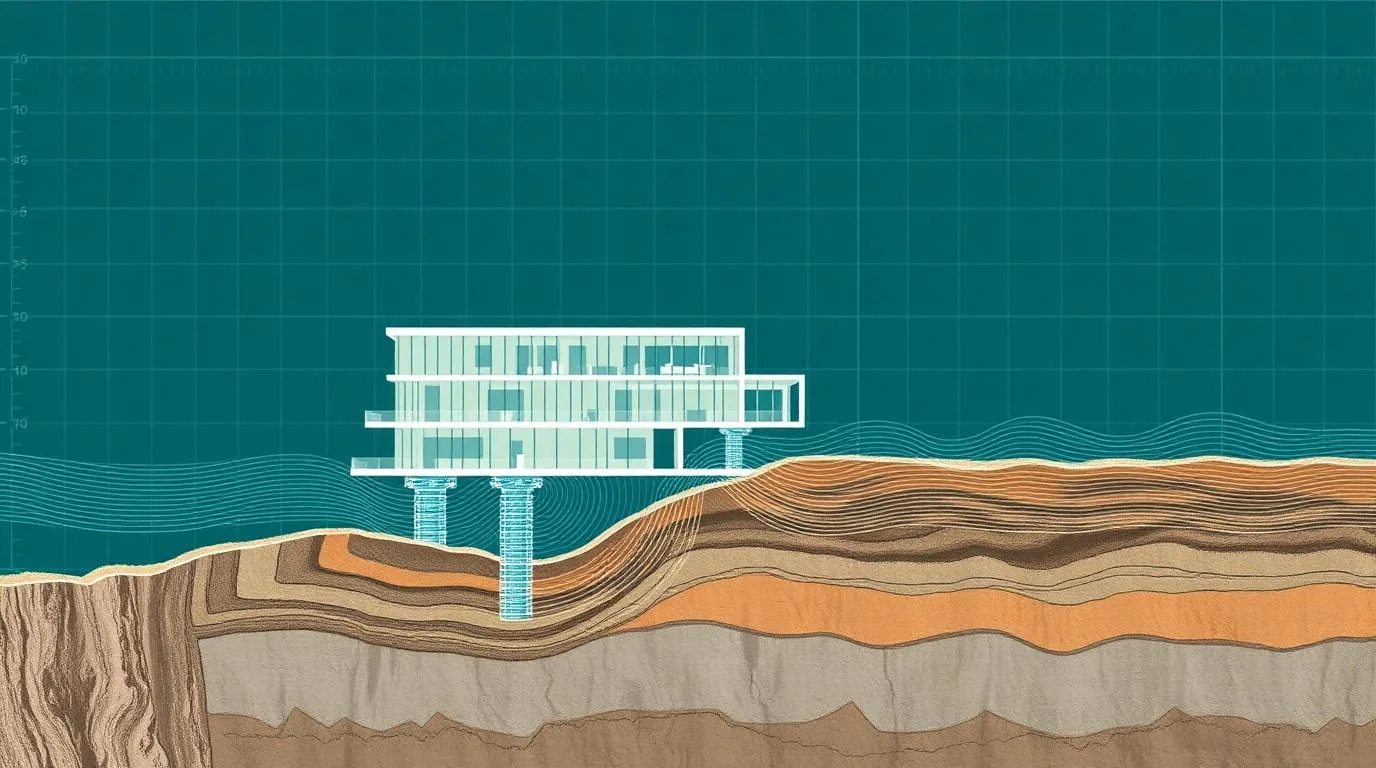
Earthquakes do not kill people. Buildings, landslides and fires do. That distinction, unglamorous as it is, explains almost the entire variation in death tolls between seismically similar events in different countries. A magnitude 7 beneath a city with enforced modern codes produces dozens of deaths. The same magnitude beneath a city of unreinforced masonry produces tens of thousands.
The engineering that does the work
- Base isolation: bearings between foundation and structure that let the ground move while the building stays comparatively still. Standard for Japanese hospitals and data centres.
- Ductile detailing: reinforcement designed so concrete members bend and absorb energy rather than shearing. Cheap at construction, impossible to retrofit affordably.
- Tuned mass dampers: large counterweights in tall buildings that oppose sway.
- Soft-storey retrofits: bracing the open ground floors — shops, parking — that collapse first and bring everything above down with them.
Codes are worth nothing without enforcement
Most seismically active countries have adequate building codes on paper. Japan's advantage is a chain of inspection, certification and insurance incentives that makes non-compliance expensive before an earthquake rather than after one. The country also funds retrofit subsidies for pre-1981 housing, targeting the specific vintage that failed in past events. Identifying and subsidising the dangerous cohort is the policy step most countries skip.
A building code is a promise about the future. An inspection regime is what makes anyone keep it.
Warning systems buy seconds, and seconds matter
Japan's earthquake early warning system detects fast-travelling P-waves and issues alerts before the destructive S-waves arrive — typically five to sixty seconds of notice depending on distance. That is not enough time to evacuate a building. It is enough to stop trains, halt surgery, close gas valves, and let children get under desks. The system's value is measured in prevented secondary disasters as much as in direct casualties.
What households can do anywhere
- Anchor tall furniture, water heaters and bookcases to wall studs. Falling furniture causes a large share of injuries in survivable quakes.
- Keep sturdy shoes and a torch beside the bed; broken glass is the most common post-quake injury.
- Store three days of water per person — the utility most likely to fail and the slowest to restore.
- Know how to shut off gas, and keep the tool with the valve, not in a drawer indoors.
- Practise drop, cover and hold on. Doorways are not safer in modern buildings; that advice is decades out of date.
The uncomfortable conclusion for policymakers is that everything on this list is known, costed and proven. What separates outcomes is not knowledge but the willingness to spend money in the decades when nothing is shaking — the same political problem that shapes wildfire preparedness, and the same reason the bill always arrives later and larger.
Was this helpful?
Dr. Ivan Petrov
Science Editor, Lonic
Ivan holds a doctorate in condensed matter physics and worked on superconducting qubit error correction before moving into science journalism.
- Quantum computing
- Physics
- Research policy
Read our editorial standards or send a correction.
Related articles
Fire Weather Explained: The Science Behind Europe's Worsening Wildfire Seasons
Heat domes, vapour pressure deficit and fuel moisture sound technical. They are also the three numbers that decide whether a spark becomes a headline.
Japan Earthquake 2026: What We Know as 300,000 Are Told to Leave
Thirteen deaths confirmed, hundreds of thousands under evacuation instruction and a rescue window measured in days. A clear account of the situation and the response.
A Decades-Old Flaw Let Researchers Rewrite DNA Evidence Files Using Claude
A long-standing vulnerability in widely used Thermo Fisher forensic DNA software let researchers add or remove profiles from evidence files, exposing the fragility of digital chain of custody.
Artemis and the Crewed Lunar Programme: Where the Schedule Actually Stands
NASA's return to the Moon has slipped repeatedly. Here is a sober look at which delays are routine engineering caution and which point to deeper structural problems.