Trending Products 2026: Sustainable Toothbrushes, Glass Straws and What Is Driving Demand
Two unrelated products are climbing search charts for the same underlying reason. A look at what the sustainable consumer goods boom is actually rewarding.
 Priya Raman 7 min read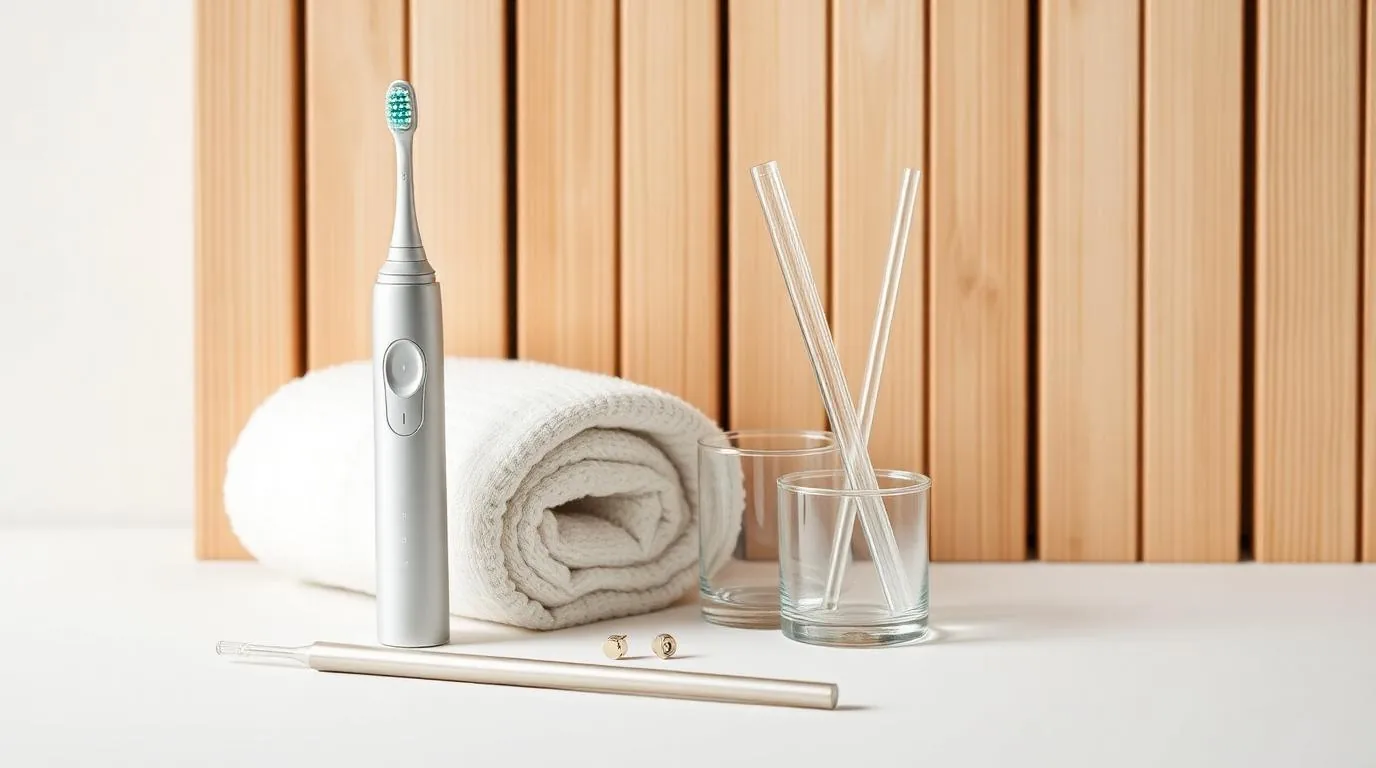
Two products with nothing obvious in common are among the fastest-rising consumer search terms of 2026: repairable electric toothbrushes, led by the Suri brand, and glass drinking straws. The connection is not the category. It is a shift in what sustainability-minded buyers are actually willing to pay for.
From recyclable to repairable
For a decade, sustainable consumer marketing centred on end-of-life claims: recyclable packaging, recycled content, compostable materials. Consumer trust in those claims has eroded, partly because recycling rates for most consumer plastics remain low regardless of the label. The claims now driving purchase are about longevity instead — repairability, replaceable components, and manufacturer take-back schemes. These are harder to fake, because they require a functioning service operation rather than a printed symbol.
A recyclable product asks you to trust a system you cannot see. A repairable one hands you the screwdriver.
Why Suri worked
- A genuinely repairable design with user-replaceable batteries and brush heads, in a category built on planned replacement.
- Plant-based brush head materials with a functioning return-and-recycle programme rather than a disposal instruction.
- Design quality that competes on aesthetics rather than asking for a sustainability discount on desirability.
- Pricing between mass market and premium — accessible enough for impulse, expensive enough to signal quality.
Glass straws and the durability trade
The glass straw's rise is a reaction to a failed substitute. Paper straws replaced plastic and were widely disliked for entirely functional reasons. Glass and stainless steel solve the performance problem at the cost of requiring the consumer to carry and wash a reusable item. That trade is the whole story of the sustainable goods market in 2026: buyers will accept an inconvenience, but they will not accept a worse product.
What this means for brands
The competitive advantage has moved from claim to infrastructure. Take-back logistics, spare part availability, repair documentation and honest lifecycle disclosure are expensive to build and impossible to imitate quickly. Brands treating sustainability as a marketing layer over an unchanged product are being outcompeted by ones that treated it as an operations problem — which is a more demanding standard, and a considerably more durable one.
Was this helpful?
Priya Raman
Business Editor, Lonic
Priya reports on corporate technology spending and previously ran competitive analysis for a Fortune 100 finance team.
- Business strategy
- Technology spending
- Markets
Read our editorial standards or send a correction.
Related articles

The Fractional COO Boom: Why Growing Companies Are Renting Operational Leadership
Search demand for fractional operating executives has climbed sharply. The model solves a real problem for companies between 20 and 200 people — when it is scoped correctly.

SpaceX's First Earnings Report as a Public Company Will Test Its AI Bet
Reuters reports SpaceX will post its first results since a record IPO on 3 August 2026, with investors probing whether Starlink profits can fund its AI ambitions.

Reddit's CEO Questions Whether Google's AI Overviews Deal Is Worth It
Reddit shares fell after its chief executive publicly doubted the value of licensing content to Google's AI Overviews, reopening the standoff between AI search and publishers.
How a Hedge Fund Billionaire Turned an AI Startup's Meltdown Into a Rescue Deal
Citadel's Ken Griffin structured a rescue deal for the AI company Situational Awareness, Reuters reports, a sign that parts of the AI boom are already distressed assets.