How to Buy World Cup 2026 Tickets Without Getting Burned
Ticket demand for the first 48-team World Cup has broken every previous record. Here is how the sales phases actually work, what seats really cost, and where the resale traps are.
 Tomás Ferreira 9 min read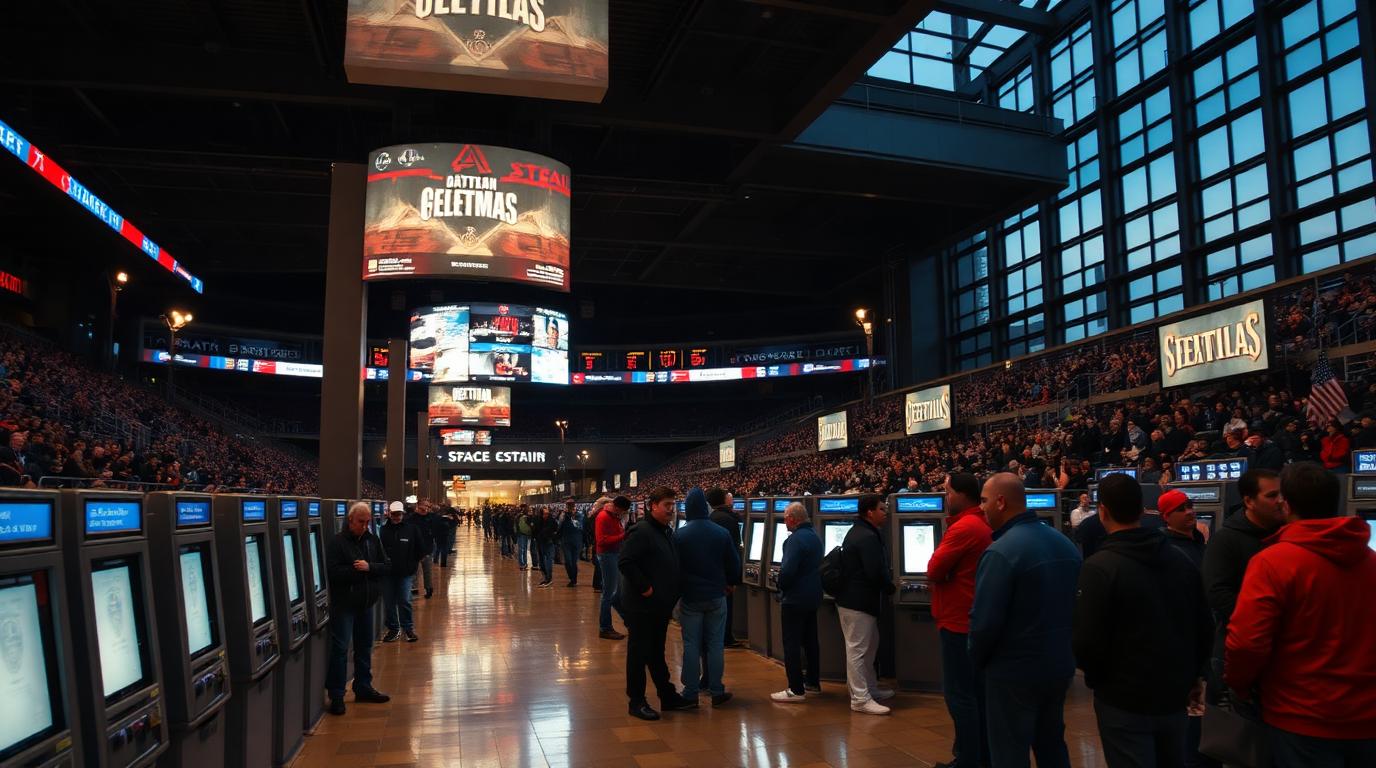
No sporting event has ever had to allocate this many seats across this many jurisdictions. The 2026 World Cup runs 104 matches across sixteen host cities in the United States, Canada and Mexico, and the ticketing operation behind it has been engineered less like a box office and more like an airline revenue system. That shift explains almost everything supporters find confusing about the process: why identical seats show different prices on different days, why a successful ballot entry is not the same as a ticket, and why the resale market has become the single most expensive way to attend.
The sales phases, in the order they matter
Tickets are not released in one drop. They arrive in sequenced windows, each with a different mechanism, and the practical consequence is that anyone who waits for a single 'on sale' moment will find the good inventory already committed. The early windows are ballots, where entering is free and allocation is random among qualifying applicants. Later windows shift towards first-come queueing, which favours fast connections and pre-verified payment details rather than luck.
- Pre-sale draws for holders of the tournament's official payment-partner cards, decided by random allocation rather than application time.
- General random-selection draws open to any registered supporter with a verified FIFA ID.
- Team-specific allocations released after the group draw, when supporters know which cities their side will actually play in.
- Last-minute releases of held-back inventory — hospitality returns, broadcaster allocations, accessibility pairs — which appear without announcement in the final weeks.
Why the price you see is not a fixed price
Variable pricing is now standard across the tournament's higher-demand fixtures. The same category of seat in the same stand can be listed at materially different amounts depending on the match, the stage of the competition and how quickly that particular allocation is selling. This is a deliberate design choice, and it means the traditional advice to compare category one against category three misses the point. Compare a specific match against a specific match, on the day you intend to buy, because the number you saw last week is not the number you will pay.
Treat the listed price as a live quote, not a tariff. The category tells you where you sit; it no longer tells you what you pay.
The resale trap
Every major tournament produces the same pattern: an official resale platform where supporters can list unwanted tickets at controlled prices, and a much larger unofficial market where sellers offer 'guaranteed' seats for multiples of face value. Tickets for 2026 are digital and identity-linked, which means a seat bought outside the official channel frequently cannot be transferred into the buyer's name. The listing looks legitimate, the payment clears, and the barcode fails at the turnstile because it was never reassigned. If a transfer cannot happen inside the official app, the transaction is not a ticket purchase — it is a donation with extra steps.
What attendance actually costs
The ticket is rarely the expensive part. Host cities are spread across a continent, several venues sit well outside their metropolitan centres, and accommodation pricing in June has already adjusted upward in the cities hosting knockout fixtures. Supporters planning to follow a team through the group stage should budget for internal flights on short notice, because the schedule for a specific side is not final until the draw, and by then the cheap fares between host cities are gone.
Practical rules that hold up
- Register and verify your identity documents before a sales window opens, not during one — verification delays cost more places in queues than slow internet does.
- Enter every ballot you qualify for; entries are free and independent, and there is no penalty for holding multiple unsuccessful applications.
- Buy accommodation with free cancellation before the draw, then cancel what the fixture list makes unnecessary.
- Never pay by bank transfer or any method without buyer protection, however convincing the seller's history looks.
- Check the transfer window rules for your specific match; some allocations lock transfers days before kick-off, stranding late buyers.
The bigger picture
The expanded format was sold partly on access: more teams, more nations represented, more supporters able to see their country at a World Cup. The ticketing reality is more complicated. A larger tournament creates more matches but also more demand, and dynamic pricing captures the surplus that used to flow to supporters who queued early. Whether that trade is worth it depends on which seat you end up in — and, increasingly, on how well you understand a sales system designed by people who price aeroplane seats for a living.
Was this helpful?
Tomás Ferreira
Sports Editor, Lonic
Tomás covers football and high-altitude mountaineering, and spent six years analysing match data for a European club before turning to journalism.
- Football
- Sports governance
- Mountaineering
Read our editorial standards or send a correction.
Related articles
World Cup 2026: Argentina and Brazil Advance as the Expanded Format Takes Shape
Argentina beat Australia 4-1 and Brazil overcame Mexico 2-1. Beyond the scorelines, the 48-team tournament is already revealing what the new structure rewards.
The Round of 32: How FIFA's Expanded Knockout Format Is Rewriting Squad Management
With the 2026 World Cup's first knockout round under way, coaches are managing rotation, fitness and suspension risk across a longer tournament than any before it. The maths of survival has changed.

Heat and Player Welfare: The Physiological Cost of Summer Football Tournaments
As the 2026 World Cup is played across venues with punishing midsummer heat, medical staff and players' unions are pushing harder than ever for scheduling changes that organisers have resisted for years.

Nirmal Purja Missing on Broad Peak: What Is Known About the Search
One of the most recognisable figures in high-altitude mountaineering is unaccounted for after an avalanche. A factual account of the incident and the conditions facing rescuers.