The Round of 32: How FIFA's Expanded Knockout Format Is Rewriting Squad Management
With the 2026 World Cup's first knockout round under way, coaches are managing rotation, fitness and suspension risk across a longer tournament than any before it. The maths of survival has changed.
 Tomás Ferreira 8 min read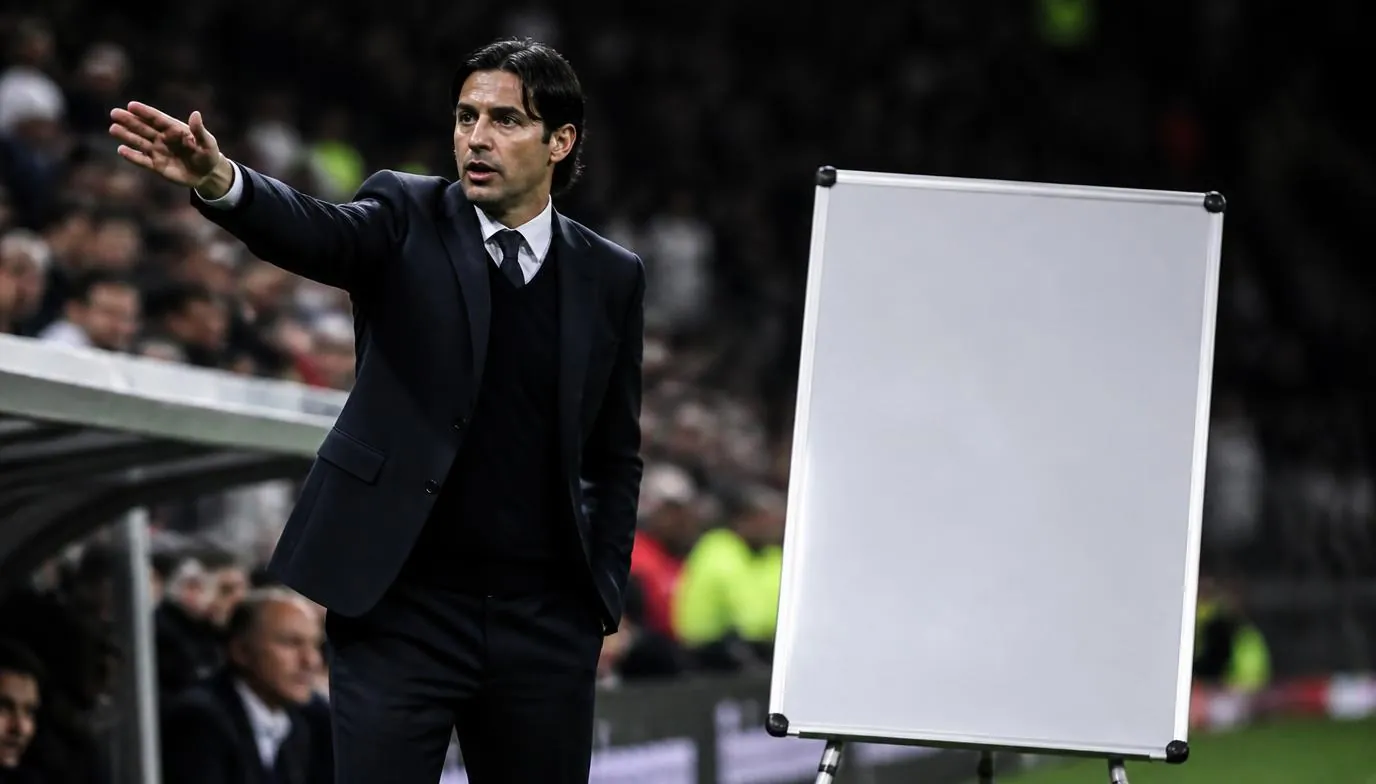
The 2026 World Cup's round of 32 is the first genuinely new structural feature of the men's tournament in decades, and its effects are now visible in how coaches are managing their squads. Where the old 32-team format took a team from the group stage directly into the last sixteen, the expanded 48-team draw inserts an additional knockout match before that stage is reached. For a squad hoping to go all the way, that is one more match, one more round of accumulated yellow cards, and one more opportunity for a decisive injury.
One extra match changes the arithmetic
Tournament football has always been a war of attrition dressed up as a series of one-off games, but the margin for error has narrowed further. A squad that reaches the final under the new format plays seven matches rather than the previous format's maximum of seven from the round of sixteen — the difference is that teams now face that workload having come through a knockout tie that used to not exist. Sports scientists working with several federations this cycle have pointed to the same concern: recovery windows between matches have not lengthened to compensate, so the incremental match adds fatigue without adding rest.
You are asking players to produce peak output for one more high-intensity match than the format previously required, with the same three-or-four-day turnaround. That is where soft-tissue injuries cluster.
Rotation as a survival strategy, not a luxury
- Squads with genuine strength in depth at full-back and central midfield — the positions with the highest per-match distance covered — are managing the extra round more comfortably than those reliant on a settled first eleven.
- Coaches are increasingly willing to rest key attackers in dead-rubber group games, a trend accelerated by the expanded format's more forgiving qualification math for group winners.
- Yellow-card accumulation resets at the quarter-final stage under current FIFA disciplinary rules, meaning suspension risk is now managed in two distinct phases rather than one continuous count.
- Goalkeeping unions have flagged travel scheduling — rather than playing minutes — as the more significant fatigue factor, given the geographic spread of the co-hosted tournament across three countries.
The counterargument: more matches means more chances
Not every voice in the game treats the extra round as pure downside. Smaller federations argue that an additional knockout tie gives lower-ranked teams a genuine chance to eliminate a seeded opponent before the tournament narrows to its most predictable stage, and that the format has already produced upsets that a straight last-sixteen draw would have prevented. There is also a commercial dimension that host broadcasters and FIFA itself are unlikely to discourage: more knockout football means more high-stakes fixtures to sell.
What is harder to dispute is that squad depth has become a more decisive competitive variable than it was in previous cycles. Federations that invested in wider talent pools, and coaching staffs willing to rotate without treating changes as a loss of faith in first-choice players, appear structurally better placed to survive the extended route than those clinging to a settled starting eleven for seven consecutive matches.
What comes next
As the tournament moves into its later knockout stages, the squads still standing will be those whose depth chart, not just their first eleven, proved competitive. It is a shift federations are likely to plan around for future cycles, with youth development pathways already being assessed against a tournament structure that now demands one more elite-level performance than it used to.
Was this helpful?
Tomás Ferreira
Sports Correspondent, Lonic
Tomás covers football and high-altitude mountaineering, and spent six years analysing match data for a European club before turning to journalism.
- Football
- Sports governance
- Mountaineering
Read our editorial standards or send a correction.
Related articles

The FIFA Privatisation Debate: What Is Actually Being Proposed
Talk of privatising parts of world football's governing structure has moved from fringe to boardroom. The arguments on both sides are stronger than the shouting suggests.
FIFA Scraps Its $20 Billion World Cup Private Investor Plan After Backlash
A plan to hand outside investors, reportedly including the Kushner family, a stake in running the World Cup has collapsed after UEFA declared it had lost confidence in Gianni Infantino.
Heat and Player Welfare: The Physiological Cost of Summer Football Tournaments
As the 2026 World Cup is played across venues with punishing midsummer heat, medical staff and players' unions are pushing harder than ever for scheduling changes that organisers have resisted for years.
Nirmal Purja Missing on Broad Peak: What Is Known About the Search
One of the most recognisable figures in high-altitude mountaineering is unaccounted for after an avalanche. A factual account of the incident and the conditions facing rescuers.