Mental Health Apps Have Outgrown the Rules Meant to Govern Them
Millions of people now get mental health support through an app before, or instead of, a clinician. Regulation has not kept pace with either the market or the risks.
 Dr. Amina Yusuf 8 min read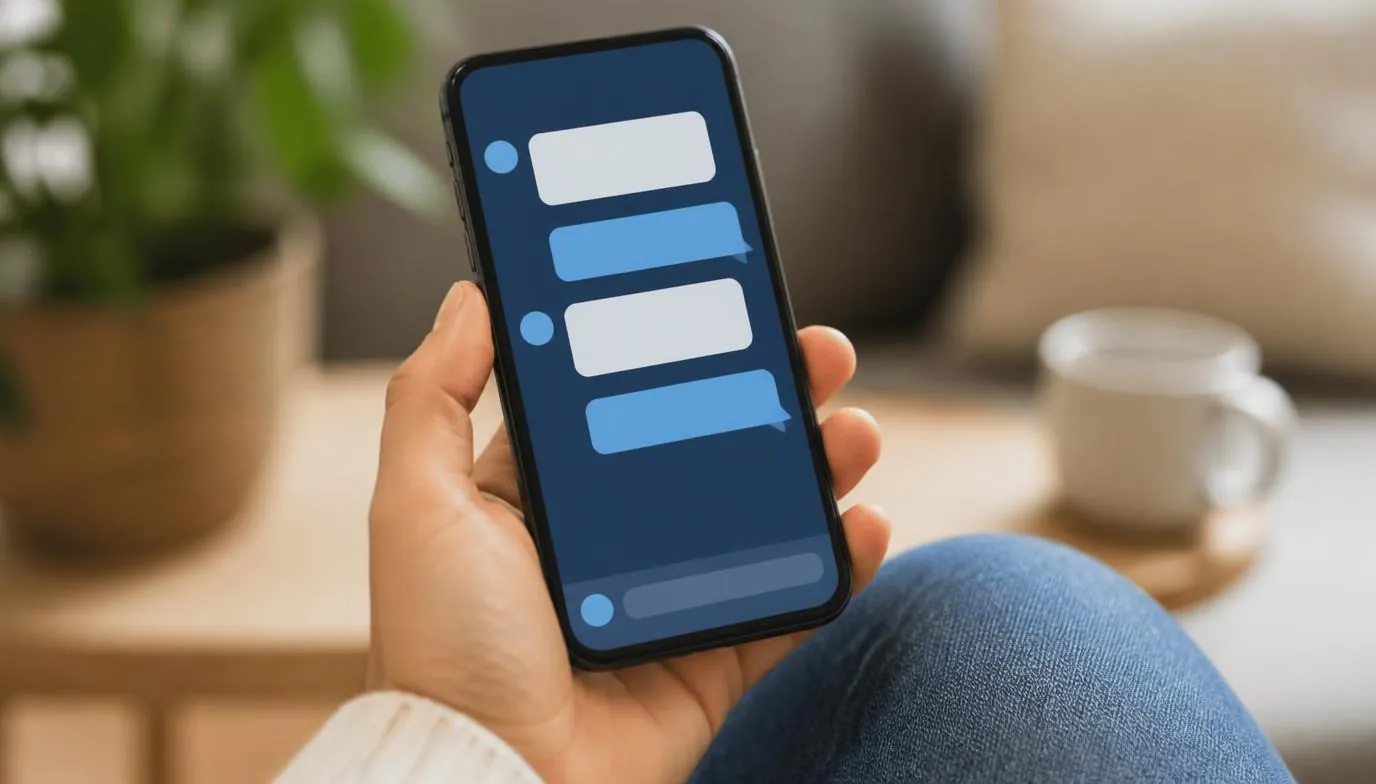
The mental health app market has grown enormously over the past several years, ranging from mood-tracking tools and guided meditation to AI chatbots designed to simulate supportive conversation and, in some cases, apps marketed as delivering cognitive behavioural therapy techniques directly. Usage has grown fastest in exactly the gap where formal mental health services are hardest to access quickly — a genuinely useful function that has, at the same time, outpaced the regulatory frameworks meant to ensure these tools are safe and effective.
A regulatory grey zone
Most mental health apps are marketed as wellness products rather than medical devices, a classification that in many jurisdictions exempts them from the clinical trial requirements, safety monitoring and efficacy standards applied to regulated treatments. This is not necessarily a loophole being exploited in bad faith — many app developers genuinely do not intend to make medical claims — but it means an app that functions, in practice, very similarly to a treatment can be marketed and distributed with far less scrutiny than a prescription medication or a licensed therapy programme.
- Regulators in several countries have begun developing specific frameworks for digital mental health tools, but implementation has been slow relative to the pace of app releases.
- A small number of apps have gone through formal regulatory clearance as medical devices, typically for narrower, clinically validated uses such as insomnia treatment programmes.
- The vast majority of downloaded mental health apps have never been evaluated in a peer-reviewed clinical trial.
The specific risks of AI chatbot companions
The fastest-growing and most contentious category is AI-driven conversational tools that simulate therapeutic or supportive dialogue. Some have shown promise in small studies for reducing mild anxiety and depressive symptoms through structured, evidence-based exercises. Others are essentially open-ended chatbots with no clinical grounding, and there have been documented cases internationally of such tools responding inadequately, or in a handful of serious cases dangerously, to users expressing suicidal ideation or crisis-level distress.
An app can be genuinely helpful for someone with mild, everyday stress and simultaneously unsafe for someone in crisis. The problem is that most of these products don't reliably distinguish between the two.
What clinicians are concerned about
- Crisis detection and escalation: many apps lack robust, tested protocols for identifying when a user needs urgent human intervention rather than automated responses.
- Data privacy: mental health data is highly sensitive, and some apps' data-sharing practices with third parties, including advertisers, have drawn scrutiny from privacy regulators.
- Substitution risk: there is concern that easy access to an app may delay some users from seeking appropriate clinical care for conditions that need it.
- Efficacy claims that outpace the evidence base, particularly marketing language implying clinical-grade treatment without the trial data to support it.
What better regulation would likely involve
Public health bodies and digital health researchers have generally converged on a similar set of proposals: tiered regulatory categories that distinguish general wellness tools from apps making therapeutic claims, mandatory crisis-response standards for any app engaging with mental health topics, transparency requirements around what evidence, if any, underpins an app's claims, and clearer routes for apps to seek formal clinical validation without facing the full cost of a pharmaceutical-style approval process. None of this is close to being comprehensively implemented anywhere yet, which leaves the current system relying heavily on user discretion in an area where users are, by definition, often not in the best position to exercise it.
Was this helpful?
Dr. Amina Yusuf
Health Editor, Lonic
Amina is a practising physician who reads clinical trial data for a living and writes about metabolic health, ageing and evidence quality.
- Clinical evidence
- Metabolic health
- Longevity research
Read our editorial standards or send a correction.
Related articles

Fibermaxxing: What the Evidence Says About 2026's Biggest Nutrition Trend
Search interest is up 115 per cent. Unusually for a viral eating trend, the underlying science is solid — but the way people are attempting it is not.
Mouth Taping for Sleep: The Evidence, the Risks and Who Should Not Try It
It is cheap, it is everywhere, and the clinical evidence is far thinner than the confidence with which it is recommended. For one group of people it is actively dangerous.

Oral GLP-1 Drugs Are Coming. Will They Actually Widen Access?
Pill versions of the weight-loss and diabetes drugs that have dominated health headlines are moving through late-stage trials and early approvals. The manufacturing story matters more than the marketing.

The Antibiotic Pipeline Is Thin, and the Bacteria Are Not Waiting
Antimicrobial resistance is rising faster than the industry is producing new drugs to treat it. The economics, not the science, are the main obstacle.