Fusion Energy After Record Shots: The Engineering Gap Between Physics and Power
Fusion has cleared the physics threshold of net energy gain more than once now. Turning that into a power station is a separate, and much harder, problem.
 Dr. Ivan Petrov 8 min read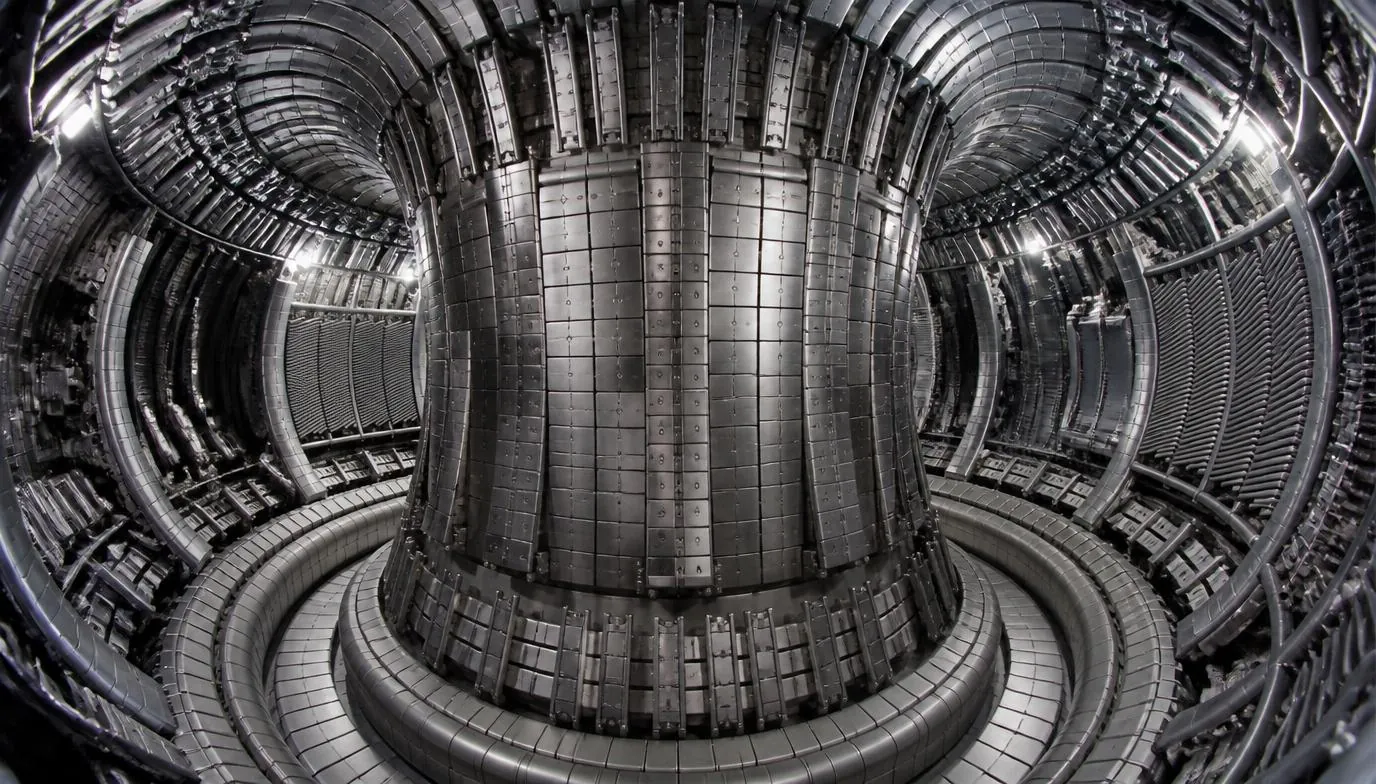
Since the National Ignition Facility first reported a fusion shot that produced more energy than the lasers put into the fuel, in late 2022, there have been further repeats and refinements of that result, along with steady progress at magnetic confinement facilities. Each is genuinely significant physics. None of them is a power plant, and the distance between the two remains considerable — a point that gets lost in coverage that treats every record shot as a step change in when fusion electricity might arrive.
What 'net energy gain' actually means
The NIF result compares energy delivered to the fuel capsule against energy released by the fusion reaction inside it. It does not account for the energy required to power the lasers themselves, which is roughly two orders of magnitude greater than what reaches the target, because laser systems are highly inefficient at converting electricity into coherent light. A genuinely net-positive power plant needs to generate more electricity than the entire facility consumes, not more than the fuel capsule receives. That is a considerably higher bar, and inertial confinement approaches like NIF's are not currently designed to clear it.
- Wall-plug efficiency of the lasers used at NIF is roughly 1 per cent, meaning the facility as a whole still consumes far more electricity than any single shot releases.
- Magnetic confinement devices such as tokamaks aim for continuous or long-pulse operation rather than single laser shots, which is a more directly relevant configuration for a power plant.
- No fusion facility anywhere has yet demonstrated sustained net electrical output to the grid.
- Materials that can survive prolonged neutron bombardment from a fusion reaction without excessive degradation remain an active area of research rather than a solved problem.
The engineering problems that remain
Even a magnetic confinement reactor that reliably sustains fusion reactions faces a further set of problems before it becomes a power station. Tritium, one of the fuel isotopes typically used, is scarce and must largely be bred within the reactor itself using a lithium blanket, a process that has been demonstrated only in small-scale tests. The reactor's inner wall must tolerate a continuous neutron flux that degrades most known materials over time, and heat extraction systems must convert that flux into steam and then electricity at commercially viable efficiency, all while the reactor continues to run.
Ignition tells you the physics works. It tells you almost nothing about tritium breeding, materials lifetime, or the cost per kilowatt hour — and those are the problems that actually determine whether fusion reaches the grid.
ITER and the timeline for demonstration
ITER, the international tokamak under construction in southern France, remains the largest attempt to demonstrate sustained net energy gain at a scale relevant to power generation, though its own schedule has slipped substantially from original projections and it is not designed to generate electricity itself — it is a physics and engineering demonstrator. Several well-funded private fusion companies have announced more aggressive timelines for commercial power, generally in the 2030s, but these targets depend on engineering steps that have not yet been demonstrated at the scale claimed, and private fusion timelines as a category have a consistent history of slipping.
A reasonable way to read future announcements
- Ask whether a result concerns fuel-level energy gain or whole-facility electrical output — the difference is roughly a hundredfold.
- Ask whether the reaction was sustained for a meaningful duration or achieved in a single brief pulse.
- Look for progress on tritium breeding and radiation-tolerant materials, which are less newsworthy than ignition records but arguably more decisive.
- Treat commercial timelines from any single company with the same scepticism applied to any other unproven energy technology promising rapid deployment.
Fusion's physics case has genuinely strengthened over the past few years. Its engineering and economic case, which is what actually determines when — or whether — it displaces other low-carbon generation, has moved more slowly, and that gap is unlikely to close quickly.
Was this helpful?
Dr. Ivan Petrov
Science Editor, Lonic
Ivan holds a doctorate in condensed matter physics and worked on superconducting qubit error correction before moving into science journalism.
- Quantum computing
- Physics
- Research policy
Read our editorial standards or send a correction.
Related articles
Fire Weather Explained: The Science Behind Europe's Worsening Wildfire Seasons
Heat domes, vapour pressure deficit and fuel moisture sound technical. They are also the three numbers that decide whether a spark becomes a headline.

Japan Earthquake 2026: What We Know as 300,000 Are Told to Leave
Thirteen deaths confirmed, hundreds of thousands under evacuation instruction and a rescue window measured in days. A clear account of the situation and the response.
Earthquake Preparedness: What Japan Does That Other Countries Still Do Not
Similar magnitudes produce wildly different death tolls. The difference is almost entirely engineering, drills and building codes enforced over decades.
A Decades-Old Flaw Let Researchers Rewrite DNA Evidence Files Using Claude
A long-standing vulnerability in widely used Thermo Fisher forensic DNA software let researchers add or remove profiles from evidence files, exposing the fragility of digital chain of custody.