The Fixture Pile-Up: Why Player Unions Are Escalating the Calendar Dispute
An expanded Club World Cup, a bigger international tournament, and unchanged domestic schedules have combined to push elite footballers' workloads to levels their unions say are unsustainable.
 Tomás Ferreira 7 min read
The dispute between football's players and its governing bodies over fixture congestion has been simmering for years, but the combination this cycle of an expanded international tournament, a redesigned Club World Cup, and domestic leagues unwilling to trim their own calendars has pushed the argument into sharper public view. Player unions, most prominently FIFPRO and its affiliated national associations, describe the current calendar as having reached a point that is no longer merely demanding but medically indefensible for the small group of elite players who feature in every competition.
How the load has accumulated
- Top players at leading European clubs now regularly exceed sixty competitive matches in a season once domestic league, domestic cup, continental competition and international duty are combined.
- The expanded Club World Cup added a new mid-season commitment in a slot that previously functioned as a rare rest period for clubs whose players featured in it.
- International windows have not shrunk to compensate for tournament expansion, leaving qualifying and tournament football stacked on top of an already full domestic calendar.
- Recovery time between matches for players featuring in multiple competitions frequently falls below the 72-hour minimum that sports science research associates with materially elevated injury risk.
The legal and industrial dimension
This is no longer purely a public-relations dispute. Player unions have pursued, and continue to pursue, formal complaints against calendar decisions made without meaningful player consultation, arguing that governing bodies function simultaneously as competition organisers, commercial beneficiaries and the entities responsible for player welfare — a conflict of interest unions say has consistently resolved in favour of revenue over recovery.
Nobody who has to play the matches was in the room when the calendar was set. That is the whole complaint in one sentence.
Why clubs and federations are reluctant to act
The financial incentives cut directly against reform. Broadcast contracts, sponsorship deals and prize-money pools have all been negotiated on the basis of the current volume of fixtures, and any competition organiser proposing to remove matches is effectively proposing to shrink its own revenue base voluntarily. Domestic leagues have resisted reducing their own match counts even as they support in principle calls for a less congested calendar elsewhere, a position unions describe as self-serving.
What a resolution might look like
Proposals on the table include mandated minimum rest periods enforced independently of any single governing body, a genuine off-season block protected from all competitive fixtures, and squad-size expansions to spread minutes across more players rather than concentrating them among a small elite group. None of these has secured the consensus needed for implementation, and the structural problem — that no single body controls the entire calendar, so no single body can unilaterally fix it — remains unresolved.
What has changed is the willingness of unions to escalate beyond statements, into formal complaints and coordinated public campaigns involving current players rather than only their representative bodies. Whether that translates into calendar reform before the next cycle of broadcast negotiations locks in existing fixture volumes for years to come is, at this stage, an open question.
Was this helpful?
Tomás Ferreira
Sports Correspondent, Lonic
Tomás covers football and high-altitude mountaineering, and spent six years analysing match data for a European club before turning to journalism.
- Football
- Sports governance
- Mountaineering
Read our editorial standards or send a correction.
Related articles

Nirmal Purja Missing on Broad Peak: What Is Known About the Search
One of the most recognisable figures in high-altitude mountaineering is unaccounted for after an avalanche. A factual account of the incident and the conditions facing rescuers.

The Broad Peak Avalanche: Why the Karakoram Is Slipping Earlier Each Season
Warmer summers are altering snowpack behaviour on the world's highest mountains. The consequences show up first as timing, and timing is what avalanche safety depends on.
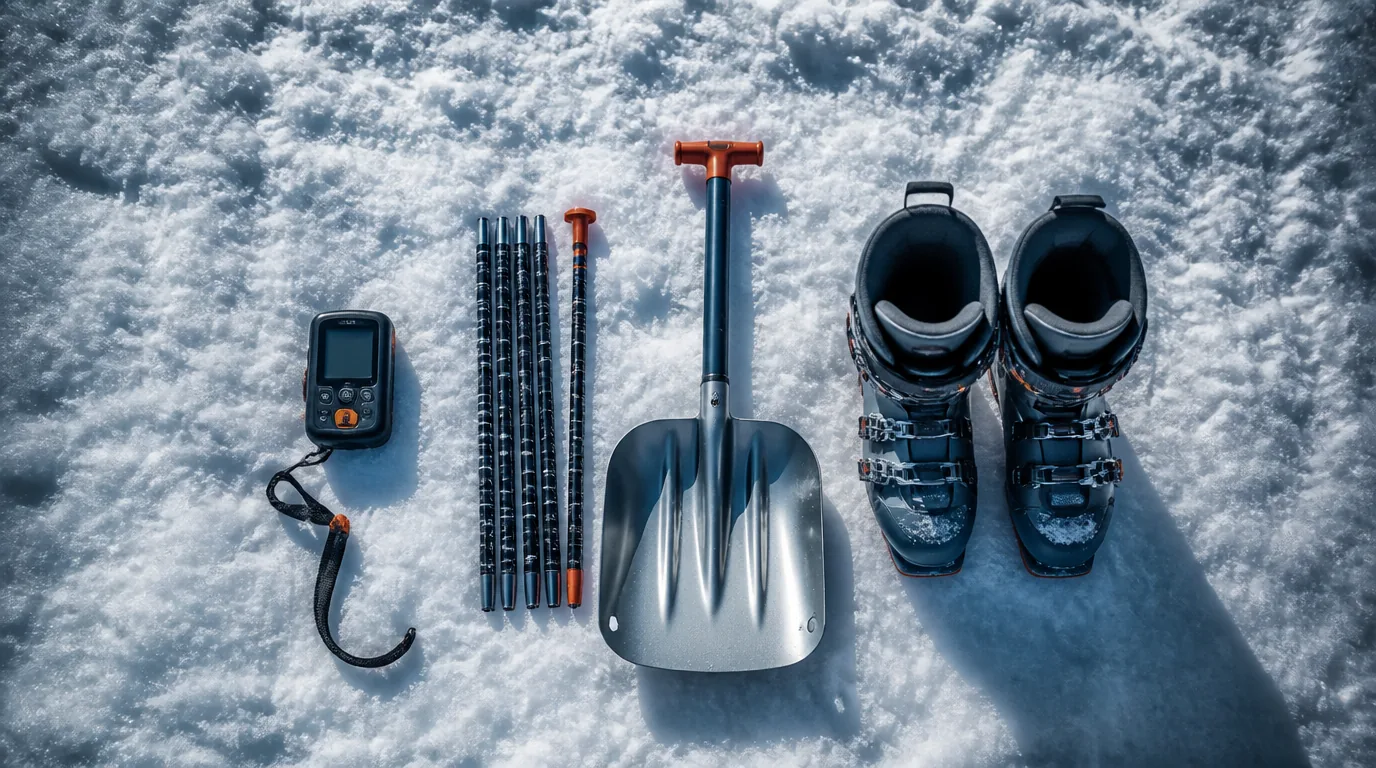
Avalanche Safety: The Decisions That Matter More Than the Equipment
Transceivers and airbags save lives. But post-incident analysis keeps finding that the fatal error happened hours earlier, in a decision nobody registered as a decision.

World Cup 2026: Argentina and Brazil Advance as the Expanded Format Takes Shape
Argentina beat Australia 4-1 and Brazil overcame Mexico 2-1. Beyond the scorelines, the 48-team tournament is already revealing what the new structure rewards.