Cuba's Grid Collapses Again as Fuel Deliveries to Power Stations Dry Up
A nationwide blackout left roughly 10 million people in Cuba without power late on 2 August, the third such collapse in weeks as fuel shortages strain the island's grid.
 Sofia Marchetti 7 min read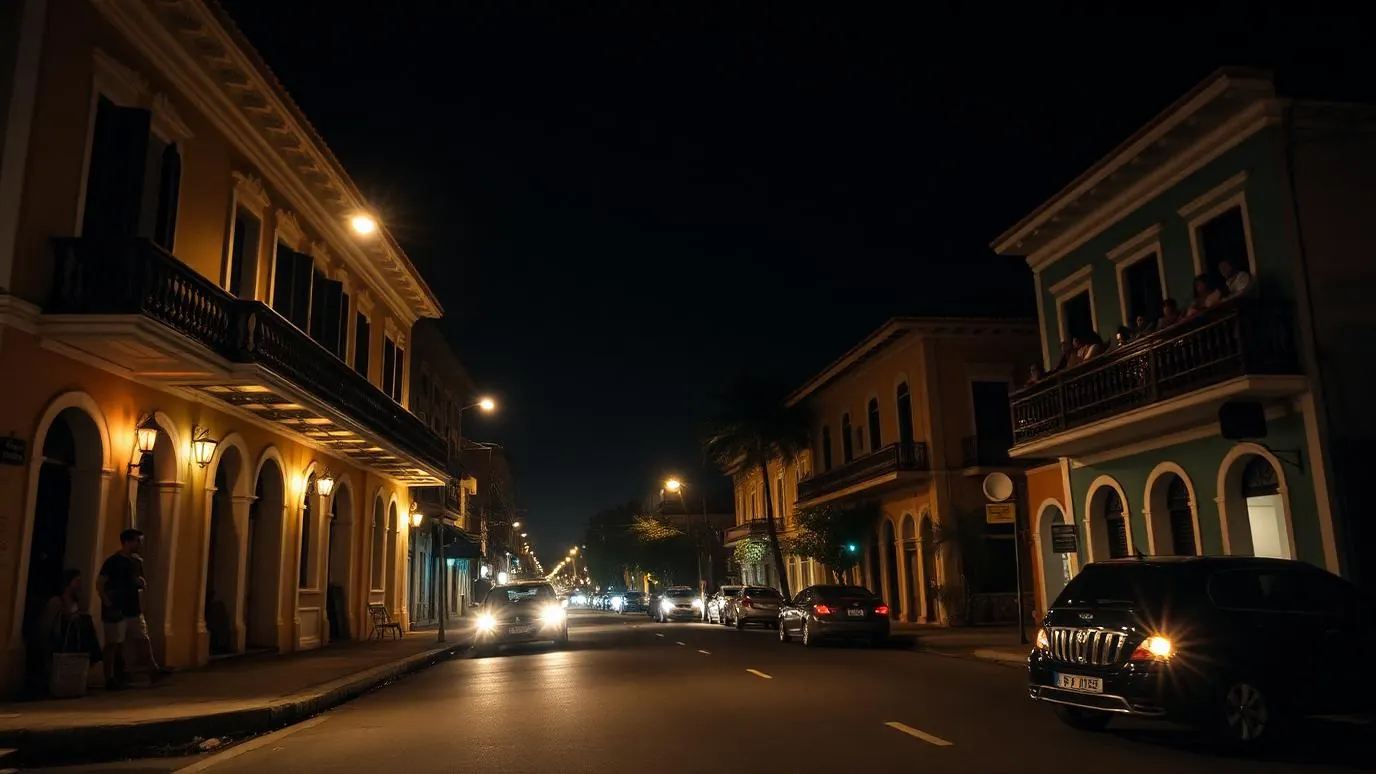
Cuba's national electricity grid collapsed late on 2 August, according to CNN and France24, leaving roughly 10 million people without power in what Al Jazeera reported as at least the third nationwide blackout in a matter of weeks. The country's state grid operator confirmed that the outage began late on Sunday, but offered little beyond acknowledgement that the failure had occurred, a pattern that has become familiar after previous collapses.
A grid that keeps failing in the same way
This is not an isolated technical failure. Cuba's grid also collapsed nationwide on 6 July and again on 14 July, meaning the country has now experienced at least three total grid failures within a roughly four-week period. Repeated total collapses of this kind, rather than localised or rolling outages, point to a system that lacks the buffer capacity to absorb disruptions without cascading into a full shutdown.
- The 2 August blackout affected roughly 10 million people across the island.
- It follows nationwide collapses on 6 July and 14 July, making this at least the third in weeks.
- Cuba's state grid operator confirmed the outage began late on Sunday but has given limited detail on restoration timelines.
- The pattern reflects a grid operating with little to no reserve capacity to absorb disruptions.
Fuel shortages at the root of the problem
The proximate cause, according to France24, is the US energy embargo, which has halted regular fuel deliveries to Cuba's power stations. Many of Cuba's plants rely on imported fuel oil to generate electricity, and without steady deliveries, plants are forced to reduce output or shut down entirely, leaving the grid with insufficient generation to meet demand even before any single technical fault occurs. Repeated grid collapses in this context function less as isolated engineering failures and more as the visible symptom of a chronic fuel supply problem.
A grid does not usually fail completely three times in a month because of bad luck. It fails because there is no longer enough fuel behind it to absorb even ordinary strain.
What a nationwide collapse means in practice
A total grid collapse differs from a rolling blackout in that it typically requires operators to restart the system in stages, a process known as a black start, rather than simply restoring supply to affected areas. Black starts are slower and more technically demanding, which is part of why restoration after each of Cuba's recent collapses has taken longer than a routine outage would. For residents, that has meant extended periods without power for cooking, refrigeration, water pumping and communication, compounding hardship that is already elevated by the broader economic pressures on the island.
The broader economic squeeze
The blackouts are unfolding against a backdrop of a Cuban economy already under significant strain from the long-standing US embargo, reduced fuel imports from traditional partners, and limited hard currency to purchase spare parts or fuel on international markets. Each of these pressures compounds the others: without fuel, plants cannot run reliably; without reliable power, industrial and agricultural output suffers; and without that output, the government has fewer resources to purchase the fuel and equipment needed to stabilise the grid in the first place.
What to watch
- How long full restoration takes this time compared with the July collapses, as an indicator of whether the black start process is improving or deteriorating.
- Whether Cuba secures any emergency fuel shipments from allied governments in the coming weeks.
- Whether the frequency of nationwide collapses continues to increase, which would suggest the underlying fuel shortage is worsening rather than stabilising.
- Any response or statement from Washington regarding the humanitarian impact of the embargo-linked fuel shortages.
Three nationwide collapses in under a month is not a pattern Cuba's grid operator can describe as a one-off technical issue much longer. Until fuel deliveries to the island's power stations are restored on a reliable footing, the underlying condition that produced this blackout, and the two before it, remains unresolved, and further collapses should be considered a realistic possibility rather than a surprise.
Was this helpful?
Sofia Marchetti
Policy Correspondent, Lonic
Sofia reports on migration and labour policy and has reviewed visa frameworks across more than forty countries.
- Migration policy
- Labour law
- Remote work
Read our editorial standards or send a correction.
Related articles
The Ceuta Border Crisis Explained: How 60,000 Crossings Overwhelmed a City
A Spanish enclave of 85,000 people absorbed a crowd almost as large as itself in a single day. Here is what happened at Ceuta, why it happened now, and what comes next.

EU Migration Policy After Ceuta: What Actually Changes Now
Every mass-arrival event triggers the same three proposals in Brussels. This time the pressure is landing on Schengen itself — and the numbers behind the debate are worth reading closely.

Spain and Morocco: The Quiet Bargain Behind Europe's Most Fragile Border
Ceuta and Melilla are policed by an arrangement almost nobody has read, because it was never written as a single document. Understanding it explains far more than the fences do.

Truth Social Is Selling Real-Time Post Access for $100,000 a Month
Truth Social's new priority-access API charges up to $100,000 a month for real-time posts from influential accounts, with Trump both the top user and largest shareholder.