Industrial Decarbonization: Climate Tech's Second Act in Grids, Heat and Heavy Industry
Solar and batteries won on price. The remaining emissions live in industrial heat, cement, steel and transmission — and they need different tools.
 Elias Braun 8 min read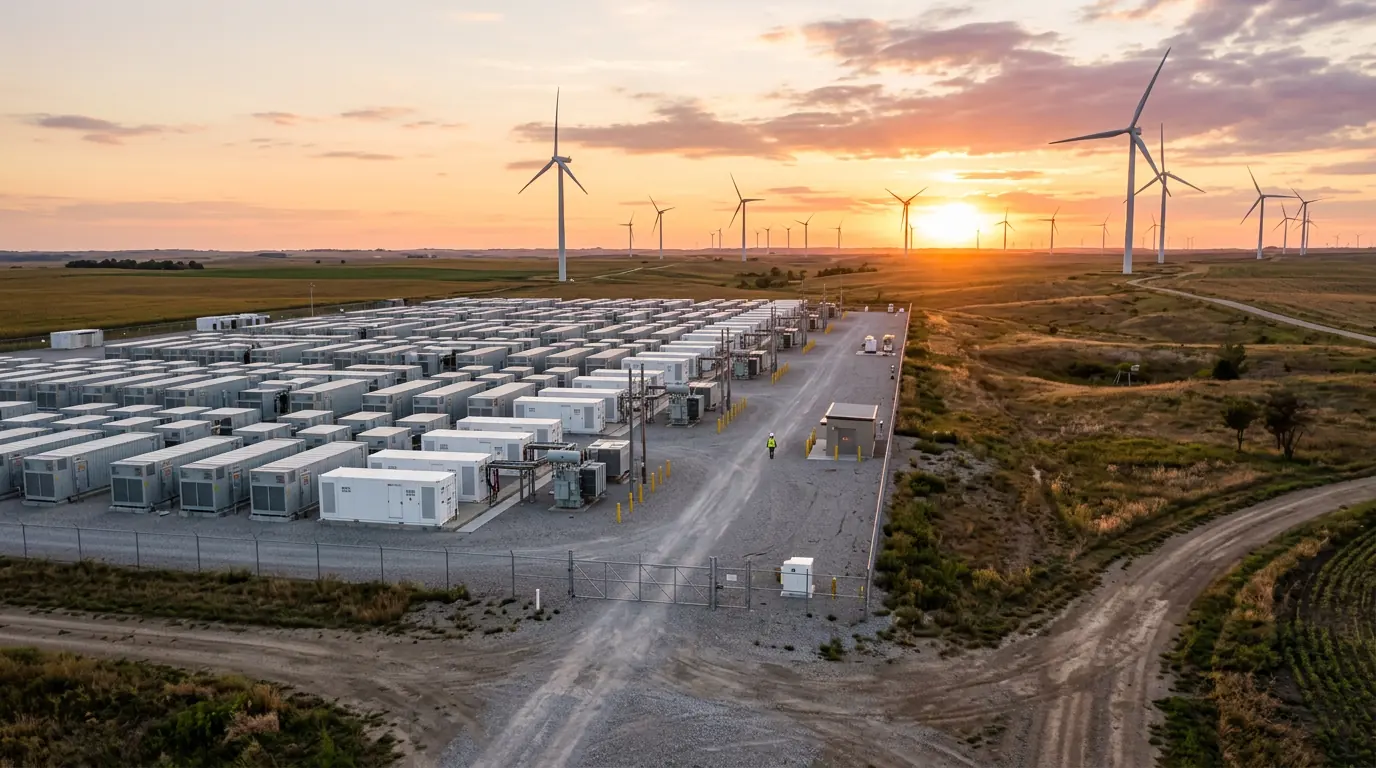
The first act of climate tech was a price story. Solar modules, wind turbines and lithium cells fell far enough that deployment stopped needing a moral argument. The second act is a systems story, and it is harder, slower and much less photogenic.
Where the remaining emissions actually are
- Industrial heat above 400°C — cement, glass, chemicals — where electrification is technically awkward and capital-intensive.
- Steel, where hydrogen-based reduction works in pilots and struggles on cost.
- Heavy transport and shipping, waiting on fuel supply chains rather than engine technology.
- Transmission and distribution, the constraint that makes everything else slower than the models assume.
You cannot decarbonise faster than you can connect. The queue is the policy.
What is working
Grid-scale storage has moved from peaker replacement to a genuine balancing asset, and its deployment curve now outpaces new generation in several markets. Industrial heat pumps are quietly electrifying food, paper and chemicals below 200°C. Advanced geothermal, borrowing drilling techniques from oil and gas, has produced its first commercially contracted power.
What still needs solving
Permitting timelines, transformer supply and the mismatch between fifteen-year infrastructure and five-year political cycles. Carbon removal remains real but small, and treating it as a substitute for reduction is still the most common analytical error in corporate climate plans.
How to read the next two years
Watch interconnection reform and industrial heat procurement rather than headline pledges. The countries that shorten their queues will decarbonise fastest, regardless of how ambitious their targets sound.
Was this helpful?
Elias Braun
Infrastructure Correspondent, Lonic
Elias covers energy systems and industrial decarbonisation, with a background in grid planning for a European transmission operator.
- Energy systems
- Climate technology
- Infrastructure
Read our editorial standards or send a correction.
Related articles

European Wildfires 2026: 325,000 Displaced and a Fire Season That Started Early
France and Spain are carrying the worst of a summer that arrived weeks ahead of schedule. The damage is severe, but the more important story is how the season is changing shape.

Wildfire Evacuation Guide: What to Prepare Before the Warning Arrives
Most evacuation failures are not dramatic. They are ten minutes lost looking for documents. A practical, evidence-based checklist for households in fire-exposed regions.
Hungary Shuts Its Only Nuclear Plant as the Danube Hits Record Lows
Hungary is closing the Paks nuclear plant for the first time in 44 years after record-low Danube levels left its cooling system unable to draw water from the river.

South Korea Records Its Hottest Day Ever as Seoul Issues First Severe Heat Alert
Yangsan hit 42.5C on 2 August, a new national record, as Seoul issued its first-ever top-level heat warning and Daegu passed 40C amid a punishing Asian heatwave.