What Repeated Wildfire Smoke Exposure Is Doing to Respiratory Health
Wildfire seasons have grown longer and smoke plumes now regularly affect populations far from the fires themselves. The long-term respiratory consequences are only beginning to be understood.
 Dr. Amina Yusuf 8 min read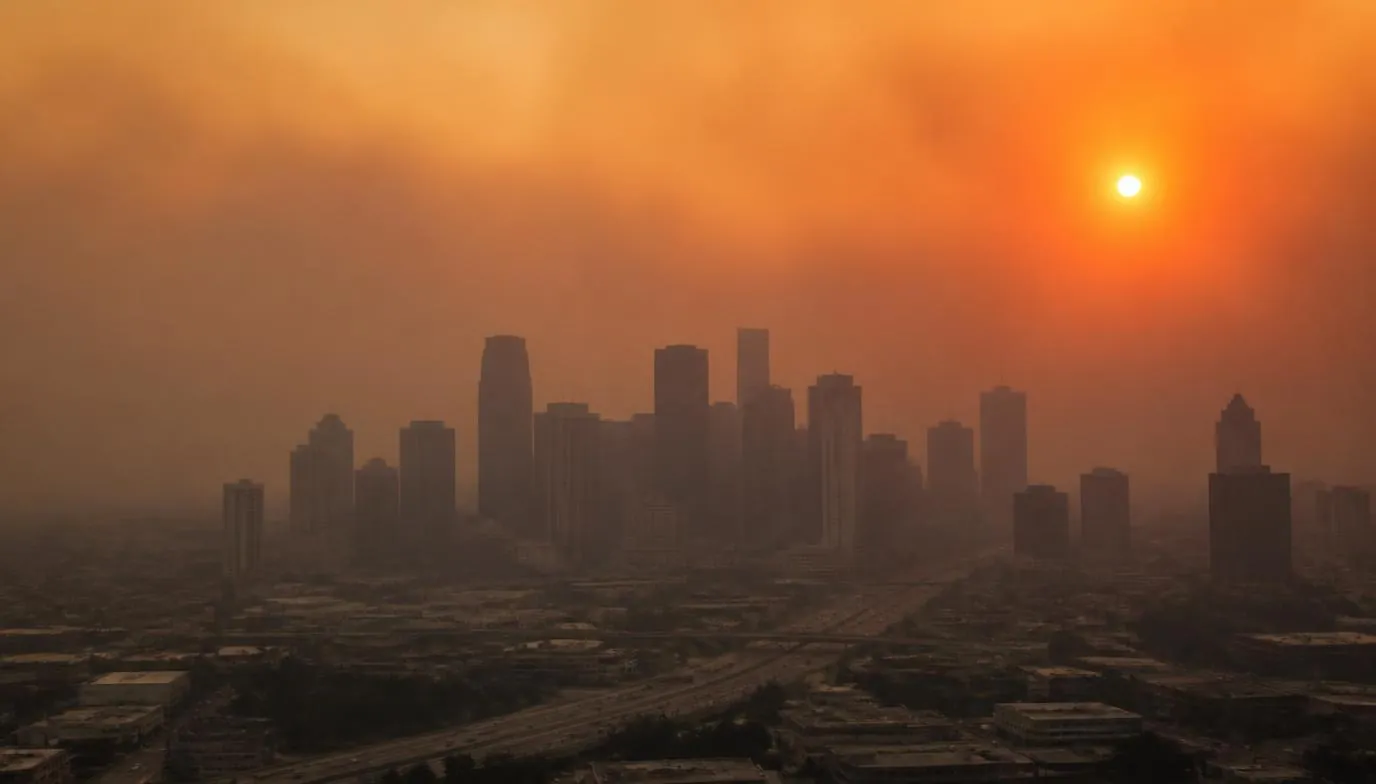
Wildfire seasons in numerous regions have grown longer and more intense over recent years, and their effects are no longer confined to communities near the fires themselves. Smoke plumes routinely travel long distances, degrading air quality in cities far removed from any active fire. As exposure has become more frequent and more widespread, researchers have shifted from studying acute effects of smoke exposure toward the harder question of what repeated, seasonal exposure does to respiratory health over years.
What's in wildfire smoke
Wildfire smoke is a complex mixture, but the component of greatest health concern is fine particulate matter known as PM2.5 — particles small enough, at 2.5 micrometres or less, to penetrate deep into the lungs and, to some extent, cross into the bloodstream. Wildfire-derived PM2.5 also carries a range of combustion byproducts, including volatile organic compounds and, when structures burn alongside vegetation, potentially heavy metals and other contaminants absent from more typical urban air pollution.
- Acute exposure is well established to worsen asthma and chronic obstructive pulmonary disease and to increase hospital admissions for respiratory and cardiovascular causes during smoke events.
- Some research suggests wildfire-derived PM2.5 may be more toxic per unit of mass than PM2.5 from other common pollution sources, though this remains an area of active investigation.
- Emergency department visits for respiratory complaints have shown clear, measurable spikes that track closely with local air quality index readings during smoke events.
The harder question: repeated exposure
Because heavy, sustained wildfire smoke seasons are a relatively recent phenomenon in many affected regions, long-term cohort data is still accumulating. Early findings from populations exposed to repeated smoke seasons point toward accelerated decline in lung function over time compared with similar populations with less exposure, and some studies have found associations between cumulative wildfire smoke exposure and increased risk of respiratory infections in children. Researchers are generally cautious about over-interpreting this data given the relatively short follow-up periods involved so far, but the direction of the findings is consistent with what is already known about chronic particulate exposure from other sources.
We have decades of data on what long-term exposure to urban air pollution does to the lungs. Wildfire smoke shares many of the same mechanisms, but we're only a few years into properly tracking it as a distinct, recurring exposure.
Who is most vulnerable
- Children, whose lungs are still developing and who breathe a greater volume of air relative to body size than adults.
- Older adults and people with pre-existing cardiovascular or respiratory conditions.
- Outdoor workers, including agricultural and construction workers, who often cannot avoid exposure during smoke events.
- Pregnant women, with some research linking smoke exposure during pregnancy to lower birth weight, though this evidence base remains smaller than for other exposure groups.
Practical mitigation
Public health guidance during smoke events has converged on a fairly consistent set of measures: monitoring local air quality index readings and reducing outdoor exertion when they're elevated, using well-fitted N95 or equivalent respirators outdoors when levels are high, running HEPA air filtration indoors where available, and keeping windows closed with recirculating ventilation during smoke events. None of these measures eliminates exposure, particularly for people who cannot avoid working outdoors, but they meaningfully reduce cumulative dose over a smoke season, which is increasingly what the research suggests matters most for long-term respiratory outcomes.
Was this helpful?
Dr. Amina Yusuf
Health Editor, Lonic
Amina is a practising physician who reads clinical trial data for a living and writes about metabolic health, ageing and evidence quality.
- Clinical evidence
- Metabolic health
- Longevity research
Read our editorial standards or send a correction.
Related articles

Fibermaxxing: What the Evidence Says About 2026's Biggest Nutrition Trend
Search interest is up 115 per cent. Unusually for a viral eating trend, the underlying science is solid — but the way people are attempting it is not.
Mouth Taping for Sleep: The Evidence, the Risks and Who Should Not Try It
It is cheap, it is everywhere, and the clinical evidence is far thinner than the confidence with which it is recommended. For one group of people it is actively dangerous.

Oral GLP-1 Drugs Are Coming. Will They Actually Widen Access?
Pill versions of the weight-loss and diabetes drugs that have dominated health headlines are moving through late-stage trials and early approvals. The manufacturing story matters more than the marketing.

The Antibiotic Pipeline Is Thin, and the Bacteria Are Not Waiting
Antimicrobial resistance is rising faster than the industry is producing new drugs to treat it. The economics, not the science, are the main obstacle.